 EN

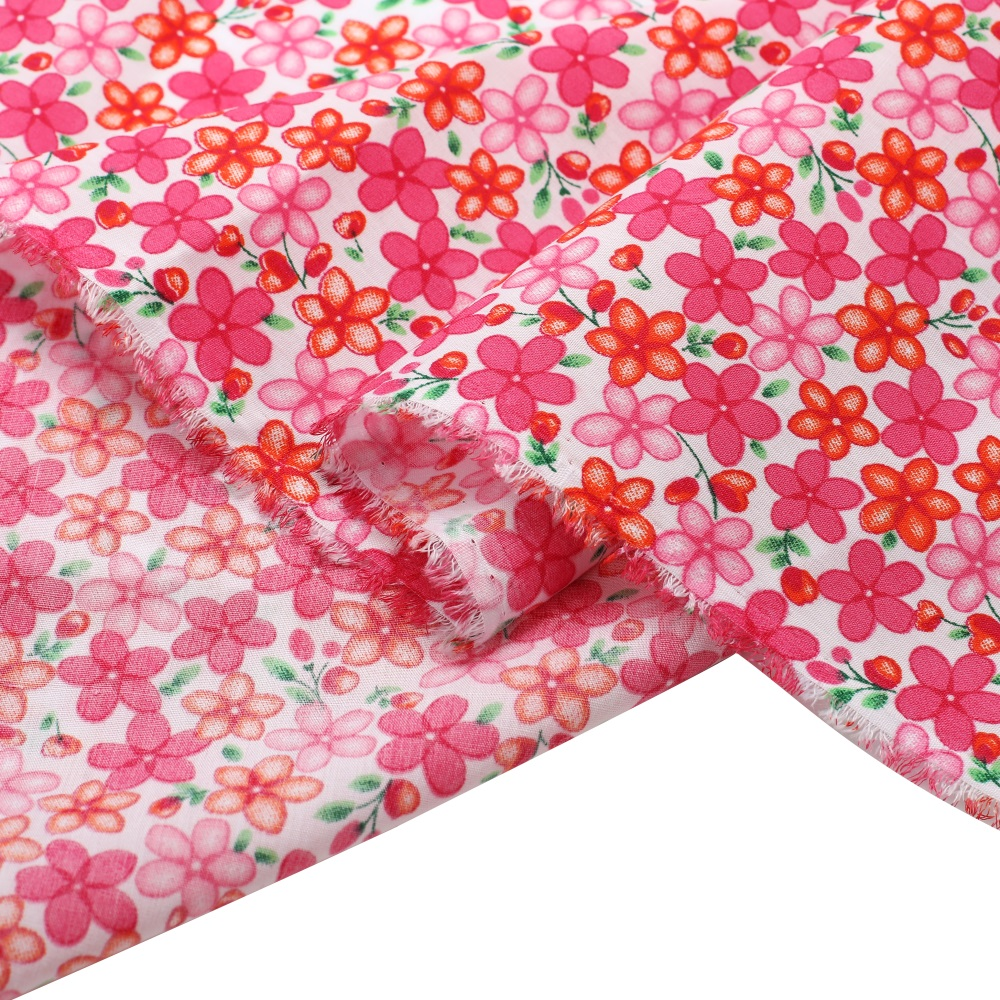
Navigating Quality Assurance Challenges with a Custom Fabric Manufacturer
When global apparel brands, home textile designers, and technical gear creators source custom textiles, the biggest operational risk is inconsistent batch quality. Discovering flaws after thousands of meters of material have been cut and sewn into finished garments results in devastating financial losses, disappointed retail customers, and delayed product launches. To eliminate this risk, modern supply chain managers look for a trusted custom fabric manufacturer capable of implementing rigorous, full-process quality control. Moving beyond traditional spot-checks, comprehensive quality assurance integrates scientific testing and meticulous supervision into every single phase of production, ensuring that every roll of fabric meets exact specifications before it ever leaves the factory floor across competitive global markets.
Ensuring Excellence from Raw Fiber to Yarn Spinning
True fabric quality begins long before any loom starts weaving; it originates at the very root of material selection and yarn spinning. Professional textile engineers know that microscopic variations in raw staple length, fiber diameter, and natural tensile strength will inevitably cascade into defects down the line. A reputable production partner conducts rigorous laboratory testing on incoming natural and synthetic fibers—ranging from premium cotton and wool to advanced technical filaments—before they enter the spinning mill. Monitoring twist levels, yarn count consistency, hairiness, and breaking tenacity during the spinning stage guarantees a flawless foundation, resulting in smoother hand-feels, higher durability, and superior performance during subsequent weaving and knitting operations.
Mastering Weaving Dynamics and Chemical Dyeing Protocols
Practical manufacturing experience quickly teaches production teams that even perfect yarn can be compromised by improper tension control during weaving or poor chemical management during dyeing. During the loom stage, maintaining precise warp and weft tension prevents loose threads, bowing, and skewing. Once the gray fabric is formed, it enters the critical dyeing and finishing stage. Achieving uniform color fastness, accurate shade matching, and controlled dimensional stability requires strict calibration of dye bath temperatures, chemical concentrations, and fixation times. Utilizing advanced eco-friendly dyeing agents not only ensures vibrant, long-lasting colors that resist fading under UV exposure or washing, but also complies with stringent international environmental safety regulations and eco-label standards.
Mitigating Fabric Shrinkage and Enhancing Finishing Durability
Beyond basic dyeing and weaving, achieving superior textile performance requires advanced finishing treatments that enhance wrinkle resistance, moisture management, and dimensional stability. Fabric finishing is a delicate science that demands precise control over heat-setting, chemical coating, and mechanical shrinking processes. Failing to properly stabilize the textile matrix can lead to unacceptable post-wash shrinkage and surface pilling over time. Integrating rigorous finishing inspections ensures that the final material maintains its soft drape, color brilliance, and structural integrity throughout years of active wear and repeated industrial laundering cycles.
Driving Commercial Value and Long-Term Brand Reliability
Implementing an end-to-end quality control framework is not just an operational safeguard; it is a powerful commercial strategy that directly boosts profit margins and brand equity. In competitive retail markets, apparel and home textile brands live or die by their product consistency and durability. Working with a manufacturing partner that tracks every meter of fabric from fiber extraction to final roll packaging slashes defect rates to near zero, eliminates costly shipment rejections, and drastically reduces costly supply chain bottlenecks. Enterprises that prioritize transparent, full-process manufacturing oversight protect their bottom line, build unbreakable consumer trust, and secure a sustainable competitive advantage in international markets.
Leveraging Advanced Supply Chain Frameworks for Global Logistics
Sourcing custom textiles internationally also requires seamless logistics and reliable inventory management to keep fast-paced retail seasons on track. A dependable manufacturing partner integrates advanced warehouse management systems and efficient export packaging protocols to protect fabrics from moisture and transit damage during global shipping. Streamlining customs clearance documentation and maintaining open communication channels empower fashion brands and industrial buyers to scale production effortlessly without facing unexpected delays.
Partnering with Hebei Gaibo for Comprehensive Textile Solutions
Achieving flawless textile production requires aligning your business with an established manufacturing leader that possesses deep technical expertise and uncompromising dedication to quality. Hebei Gaibo has spent years building an outstanding reputation as a premier provider of custom textile solutions, offering comprehensive design, weaving, dyeing, and finishing services tailored for demanding global brands. Operating under strict international quality management standards and eco-friendly compliance frameworks, Hebei Gaibo integrates rigorous multi-stage inspection routines into every production run to ensure exceptional consistency and defect-free output. Backed by robust manufacturing capabilities, flexible OEM and ODM customization options, and reliable global logistics support, Hebei Gaibo delivers resilient, high-performance fabric innovations built to thrive anywhere. Partner with Hebei Gaibo today to elevate your product quality and fortify your global supply chain.
Building Sustainable Long-Term Success in Textile Ecosystems
As global industries continue pushing toward greener, more responsible operational workflows, the integration of certified sustainable textiles will play an increasingly foundational role in fashion design. By demanding rigorous quality benchmarks, optimizing chemical and mechanical processes, and partnering with world-class manufacturing leaders like Hebei Gaibo, businesses can unlock limitless possibilities for custom fabric creation.
Embracing Future Innovations in Sustainable Textile Manufacturing
As the global fashion and industrial textile sectors continue to evolve toward higher environmental standards and superior functional performance, partnering with an agile manufacturing innovator becomes even more vital for long-term commercial triumph. Staying ahead in competitive markets requires continuous technological collaboration, rigorous testing, and absolute confidence in your component supply chain.
Table of Contents
- Navigating Quality Assurance Challenges with a Custom Fabric Manufacturer
- Ensuring Excellence from Raw Fiber to Yarn Spinning
- Mastering Weaving Dynamics and Chemical Dyeing Protocols
- Mitigating Fabric Shrinkage and Enhancing Finishing Durability
- Driving Commercial Value and Long-Term Brand Reliability
- Leveraging Advanced Supply Chain Frameworks for Global Logistics
- Partnering with Hebei Gaibo for Comprehensive Textile Solutions
- Building Sustainable Long-Term Success in Textile Ecosystems
- Embracing Future Innovations in Sustainable Textile Manufacturing
