 EN
EN

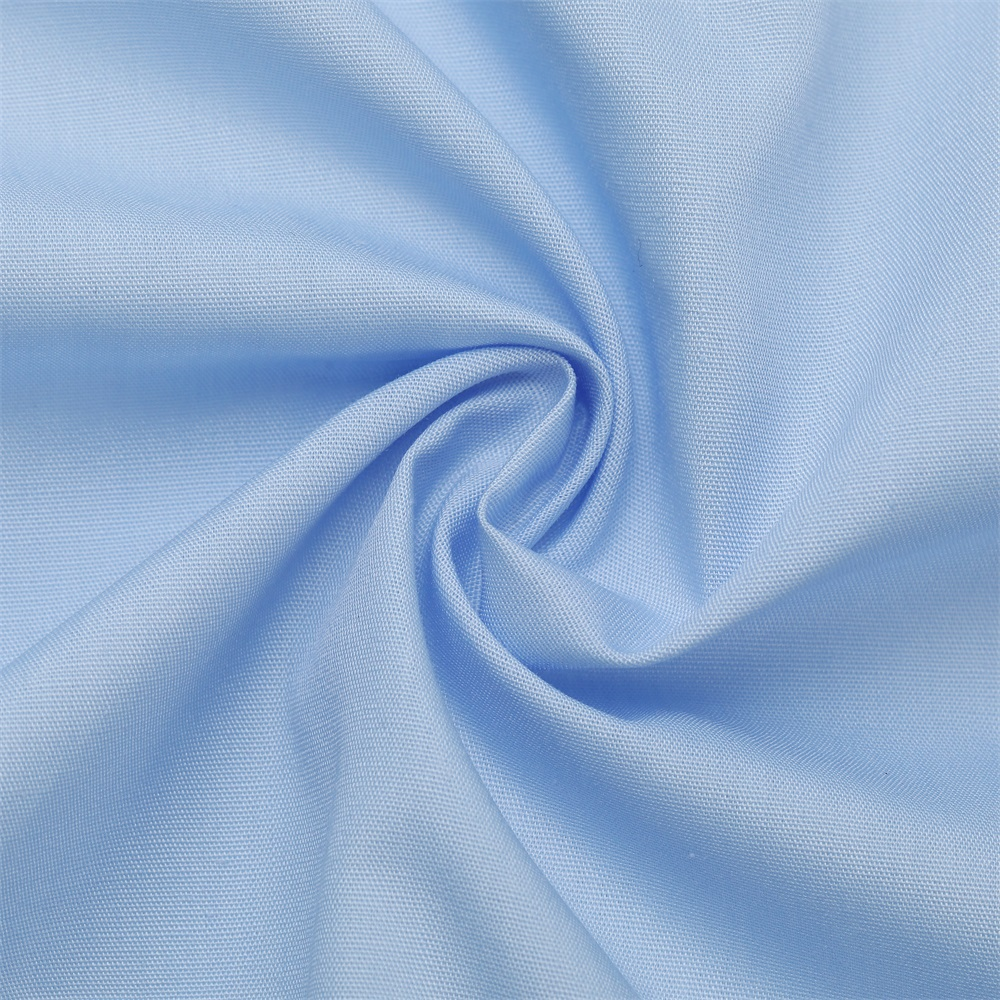
The Impact of Fabric Quality on Garment Manufacturing Efficiency
In the fast-paced world of garment manufacturing, the production floor is often a delicate balancing act of time, labor, and material precision. Every stitch counts, and the overall efficiency of the assembly line is fundamentally dependent on the predictability of the raw materials involved. Far too often, production bottlenecks are traced back to inferior fabric quality—unexpected shrinkage, color inconsistencies, or irregular weave patterns that force sewing teams to halt their work. Industry experience proves that the selection of premium Terylene/Rayon (TR) suiting is not merely a design choice; it is a critical operational decision that dictates workflow stability. High-quality fabric acts as the silent foundation of a smooth production process, significantly reducing the frequency of errors and ensuring that the final output meets stringent quality standards without the need for constant, costly rework. When the material behaves as expected, the entire factory environment becomes more productive, yielding higher results with significantly less waste.
Unpacking the Technical Superiority of TR Suiting Fabrics
TR suiting represents one of the most versatile and durable fabric categories in modern fashion. By blending Terylene, a synthetic polyester fiber known for its incredible tensile strength and shape retention, with Rayon, a regenerated cellulose fiber prized for its soft hand-feel and excellent drape, manufacturers achieve a textile that is both functional and aesthetically pleasing. From an engineering standpoint, this specific blend is optimized for consistency across various production runs. High-quality TR fabric undergoes specialized finishing treatments that improve its resistance to creasing and pilling—two major issues that frequently lead to garment rejection during the final inspection phase. When the structural integrity of the fabric is standardized at the mill level, garment producers benefit from a material that responds predictably to cutting, sewing, and pressing. This level of technical control ensures a refined finished product that maintains its aesthetic appeal even after heavy industrial handling.
Consistency as a Key Metric for Reducing Production Defects
The most common defects in suiting manufacturing—such as seam slippage, puckering, or uneven hems—are frequently the result of variations in fabric tension and density. When a manufacturer works with high-quality TR suiting, these variables are drastically minimized. Precision-engineered fabric provides a stable, uniform surface for automated cutting systems, reducing the likelihood of pattern distortion or misalignment. Furthermore, superior TR blends possess a balanced weight-to-density ratio, which prevents the material from bunching, dragging, or shifting during the high-speed stitching process. By minimizing these technical deviations at the source, garment manufacturers can achieve a much higher throughput. Sewing operators spend less time adjusting delicate machine settings to compensate for poor fabric quality and significantly more time focusing on the core assembly, leading to a much smoother and error-free production cycle.
Cost Optimization Through Reduced Rejection Rates
It is a common misconception that choosing lower-cost, lower-quality textiles results in higher profit margins. In reality, the true cost of a fabric must include the hidden cost of production defects and rework. When a garment is rejected for a flaw caused by the fabric, the manufacturer loses not only the cost of the raw material but also the significant labor invested in the cutting, sewing, and trimming stages. High-quality TR suiting acts as a form of insurance against these hidden costs. Its inherent stability and uniformity ensure that patterns are matched perfectly, seams remain clean and secure, and the final garment retains its intended shape throughout the entire manufacturing journey. For fashion brands seeking to maximize their production budget, investing in superior, consistent textiles is a strategic move that drives long-term efficiency, reliability, and protection against the high costs of waste.
Achieving Professional Finishing Standards in Mass Production
The ultimate mark of a premium suit is how it feels and how it holds its form after hours of daily wear. High-quality TR fabrics are designed to handle the intense pressures of mass production while still providing a tailored, professional finish. They withstand the high heat of industrial pressing and steam finishing without losing their structural integrity, which is essential for creating crisp lapels, clean pockets, and smooth trouser creases that last. Manufacturers who prioritize this level of fabric quality find that their products are not only easier to assemble but also command greater consumer confidence. When the textile behaves consistently, the final garment reflects the precision and care that went into every stage of the production process. A suit made from superior materials offers a tactile experience that signals quality to the end consumer, reinforcing a brand's reputation as a reliable provider of premium apparel.
Gaibo Textile: Setting Benchmarks in Textile Manufacturing and Supply
At the heart of every successful garment line is a textile partner that truly understands the demands of the factory floor. Gaibo Textile has established itself as a leader in this space, driven by an unwavering commitment to precision engineering and rigorous quality control protocols. By maintaining highly integrated manufacturing processes and a robust, reliable supply chain, Gaibo Textile ensures that every roll of TR suiting meets the exacting needs of global fashion houses and garment producers alike. Through a dedicated focus on textile research and standardized production protocols, Gaibo Textile bridges the gap between sophisticated aesthetic requirements and the functional demands of high-volume manufacturing. Partnering with a manufacturer that prioritizes technical consistency and supply reliability is the final, vital step in ensuring that fashion brands can consistently deliver premium garments that stand the test of time and market scrutiny. With a focus on long-term performance, Gaibo Textile continues to support the industry by providing the quality foundation necessary for modern manufacturing success.
Table of Contents
- The Impact of Fabric Quality on Garment Manufacturing Efficiency
- Unpacking the Technical Superiority of TR Suiting Fabrics
- Consistency as a Key Metric for Reducing Production Defects
- Cost Optimization Through Reduced Rejection Rates
- Achieving Professional Finishing Standards in Mass Production
- Gaibo Textile: Setting Benchmarks in Textile Manufacturing and Supply
