 EN
EN

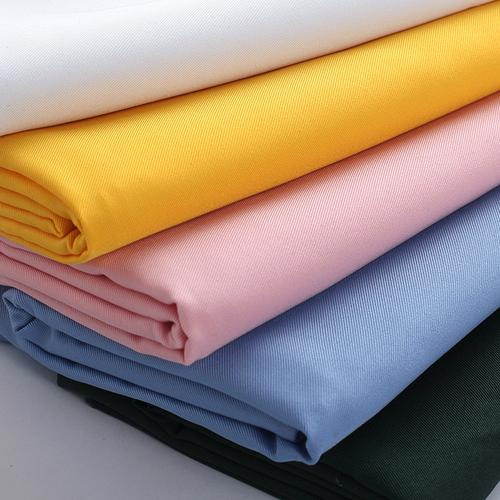
The Critical Role of Fabric Choice in Industrial Safety
Selecting the ideal fabric for industrial workwear is far more than a simple procurement task; it functions as a fundamental safety and operational decision for any serious organization. In high-stakes manufacturing, logistics, and energy sectors, the uniform represents the very first line of defense for the workforce. Polyester Cotton (PC) blends have successfully emerged as the global industry standard, offering a unique synthesis of the rugged toughness required for demanding daily tasks and the breathability necessary for all-day comfort. Selecting the wrong material can lead to rapid garment degradation, spiraling replacement costs, and unacceptable safety risks. Professionals in the field understand that industrial workwear must withstand extreme temperatures, mechanical abrasion, and constant chemical exposure while still maintaining a sharp, professional appearance. Success in this category requires a deep appreciation for the synergy between synthetic resilience and natural comfort, ensuring the workforce stays protected and productive regardless of the environment.
Evaluating Blend Ratios for Durability and Breathability
The heart of effective PC workwear fabric lies in its specific blend ratio. Polyester is celebrated for its exceptional tensile strength, resistance to shrinking, and impressive ability to hold vibrant colors even after months of intensive industrial use. Cotton, meanwhile, provides the essential moisture management and soft touch that keeps workers cool and focused during long shifts. While the classic mid-range ratio remains a widely utilized benchmark, industrial requirements vary significantly depending on the specific application. Environments involving heavy physical labor often demand a higher polyester content to ensure maximum resistance to tearing and abrasion, whereas roles requiring high-heat management may benefit from a more cotton-rich profile to facilitate better moisture wicking. Expert-level fabric selection involves analyzing the unique physical demands of the specific workplace to ensure the material provides the necessary balance of structure and airflow, effectively preventing the common pitfalls of excessive sweating or premature fabric thinning that plague lower-quality alternatives.
The Necessity of Industrial-Grade Finishings
Standard fabric properties are rarely sufficient for heavy industrial settings where the risks are varied and constant. Professional workwear must undergo precise chemical and mechanical finishing treatments to meet strict safety regulations and daily operational needs. Key considerations include flame retardancy, effective oil and water repellency, and specialized anti-static finishes. These treatments are not merely superficial add-ons; they must be engineered to withstand dozens of high-temperature industrial wash cycles without losing their protective efficacy. Transparency in the testing process is vital here. Manufacturers and distributors must consistently look for fabrics that comply with recognized international standards for chemical resistance and safety protocols. Providing workwear that retains its protective finish throughout its entire service life is the hallmark of a high-quality textile partner, as it safeguards the end-user while minimizing the risk of compliance failure during safety audits.
Color Fastness and Structural Integrity under Intensive Use
In a modern industrial context, a team’s appearance is closely linked to professional standards and overall brand identity. Workwear is subjected to significantly more aggressive laundering protocols than standard casual apparel, often involving harsh chemical detergents and high-pressure steam cleaning. Fabrics that lack superior color fastness will quickly appear worn, faded, and unprofessional, reflecting poorly on the company’s commitment to quality. Beyond simple aesthetics, color fastness serves as a reliable proxy for the overall stability of the fiber structure. High-performance PC fabrics utilize advanced, deep-penetration dyeing techniques that ensure the color remains rich and vibrant despite exposure to harsh contaminants and repetitive cleaning cycles. Evaluating this durability is critical for procurement teams who need to ensure that their investment in workwear remains viable for the maximum possible duration, ultimately reducing the long-term cost of ownership and maintaining a consistent image.
Optimizing Production Efficiency Through Fabric Consistency
The unseen cost of manufacturing workwear is often hidden deep within the cutting room. When fabric batches exhibit inconsistencies in tension, weave density, or dye shading, garment producers suffer from increased material wastage, difficult pattern alignment, and frequent, costly machine recalibration. Professional textile sourcing requires a laser-like focus on supply chain stability. A reliable mill ensures that every production lot is identical to the last, providing a seamless experience for the sewing team. By prioritizing fabrics that are standardized at the mill level, garment manufacturers can achieve higher throughput and significantly reduced scrap rates. This level of technical predictability is essential for scaling production and meeting the demanding lead times associated with large-scale industrial tenders, making material consistency the most silent but impactful driver of profitability for any garment manufacturer.
Gaibo Textile: Engineering Performance for Global Workwear
At the core of every high-performance workwear collection is a textile partner that truly understands the rigorous demands of the industrial environment. Gaibo Textile has established itself as a leading authority in the development of specialized Polyester Cotton fabrics, driven by an unwavering commitment to precision engineering and rigorous quality control protocols. By maintaining a highly integrated manufacturing process and utilizing advanced loom technology, Gaibo Textile ensures that every roll of fabric meets the exacting specifications of global industrial clients. Whether providing fabrics for high-heat environments or specialized outdoor utility, Gaibo Textile offers the technical expertise and manufacturing capacity to support complex production needs. Choosing a partner with such deep dedication to material innovation and supply reliability is a strategic move that enhances the safety, efficiency, and professional standard of any industrial workwear program, ensuring that brands remain competitive in an increasingly demanding market.
Table of Contents
- The Critical Role of Fabric Choice in Industrial Safety
- Evaluating Blend Ratios for Durability and Breathability
- The Necessity of Industrial-Grade Finishings
- Color Fastness and Structural Integrity under Intensive Use
- Optimizing Production Efficiency Through Fabric Consistency
- Gaibo Textile: Engineering Performance for Global Workwear
