 EN
EN

Navigating the Complexities of High-Volume Apparel Manufacturing
In the modern landscape of large-scale garment manufacturing, selecting the foundational textile material determines both operational throughput and long-term commercial viability. When apparel brands scale up production to fulfill international distribution orders, production managers face continuous pressure to balance tensile strength, moisture management, consistent hand-feel, and cost-efficiency. Industry veterans with decades of technical exposure frequently emphasize that unexpected bottlenecks during high-speed multi-layer cutting and automated stitching routines typically stem from irregular yarn tension or unstable weave configurations. Drawing from our extensive manufacturing background operating specialized textile facilities with over two decades of industry experience since 2003, our production floors have consistently observed that utilizing a premium plain woven shirting fabric dramatically reduces fabric puckering, edge fraying, and needle heating during high-speed sewing runs. Comprehensive technical evaluations published by global textile trade organizations highlight that plain weave structures offer superior dimensional stability and uniform surface friction, ensuring that finished garments maintain their original geometric form and crisp appearance through rigorous industrial laundering cycles. For large-scale retail brands and industrial uniform contractors, this inherent structural predictability translates directly into significantly lower defect rates, reduced material wastage, and optimized production efficiency across global manufacturing plants.
Engineering Excellence through Balanced Interlacing Construction
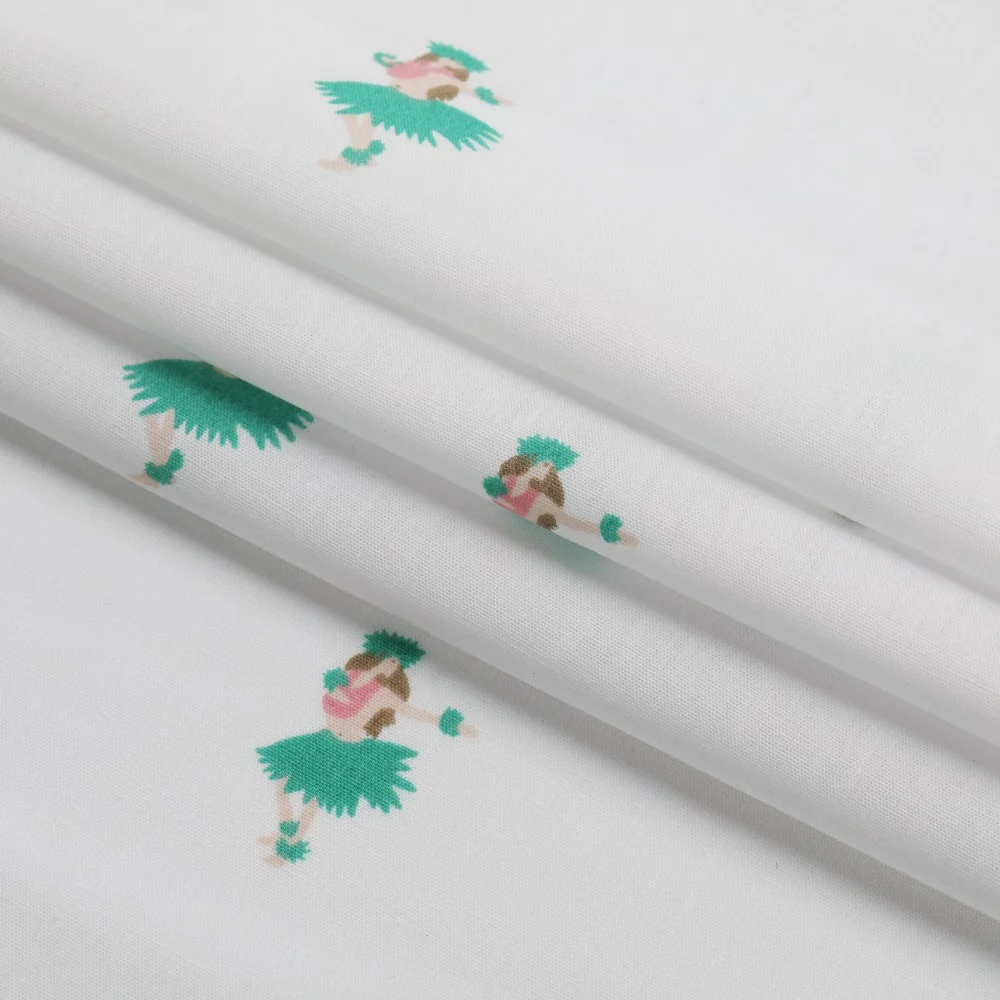
The structural superiority and widespread industrial adoption of plain woven shirting fabric stem from its classic over-and-under interlacing geometry, which creates an identical visual face and reverse side while maximizing mechanical equilibrium. In mass shirt production, this balanced interlacing pattern prevents skewed seams, fabric torque, and irregular stretching during high-speed automated laying and cutting operations. Drawing insights from fundamental textile engineering principles, the alternating yarn intersection points distribute mechanical stress evenly across both the warp and weft directions, effectively minimizing localized yarn slippage at high-stress areas such as armholes, shoulder seams, and collar bands. Modern, advanced manufacturing facilities leverage high-speed machinery—such as the 300 sets of advanced air-jet looms operating within our integrated manufacturing infrastructure—to weave these textiles under strictly regulated electronic tension control. This high-precision weaving environment ensures that every linear meter maintains consistent thread counts, uniform warp-to-weft density, and precise weight distribution. Such rigorous manufacturing control is absolutely essential when executing automated marker planning and multi-layer fabric spreading for thousands of identical corporate shirts and casual apparel items, ensuring flawless consistency from the first meter to the last.
Material Composition Options for Optimal Comfort and Durability
Achieving the perfect balance between crisp aesthetic presentation, sharp corporate styling, and everyday wearer comfort requires meticulous engineering of fiber blending ratios within the textile construction. Poly-cotton blended materials, which are widely recognized and heavily specified across the global B2B apparel sector, successfully combine the moisture absorption, breathability, and soft hand-feel of natural cotton fibers with the wrinkle resistance, dimensional stability, and high tensile strength of synthetic polyester components. Standardized technical specifications routinely utilized in large-scale commercial garment manufacturing feature lightweight constructions ranging from 100gsm to 110gsm, incorporating carefully optimized blending ratios such as 60% cotton with 40% polyester, or 65% polyester with 35% cotton. These specific structural configurations enable mass-produced business shirts, school uniforms, and hospitality workwear to resist shrinking and wrinkling while maintaining exceptional breathability in humid tropical and subtropical climates. Furthermore, integrating stringent international compliance and sustainability standards—such as GRS (Global Recycled Standard) and BCI (Better Cotton Initiative) certifications—ensures that these high-volume material inputs meet the rigorous ecological, social, and ethical traceability requirements demanded by modern eco-conscious consumers without compromising physical wear performance or durability.
Streamlining Supply Chain Efficiency and Bulk Consistency
For international apparel brands, wholesale distributors, and large garment contractors managing massive seasonal inventory rollouts and rapid replenishment cycles, supply chain stability and material reliability are just as critical as raw material quality. Procuring plain woven shirting fabric directly from a vertically integrated manufacturer operating 120,000 ring-spinning spindles and four dedicated production facilities guarantees a steady, uninterrupted monthly output capacity reaching up to 3 million meters of finished fabric and 1,000 tons of high-grade yarn. This comprehensive vertical integration completely eliminates intermediate supply chain friction, administrative delays, and broker markups, ensuring strict lot-to-lot shade consistency, uniform chemical finishing treatments, and predictable physical performance across massive multi-container shipments. Our internal quality assurance protocols mandate rigorous physical laboratory testing for tear strength, tensile breaking load, pilling resistance, and multi-wash color fastness before any bulk commercial dispatch occurs. By partnering with established mill-direct suppliers who maintain substantial warehouse inventory reserves, strict quality control systems, and robust global export logistics networks, international apparel enterprises can effectively mitigate lead-time risks and scale their shirt production programs with absolute operational confidence.
Fostering Long-Term Global Partnerships in Textile Supply
The ultimate measure of success for any major textile supplier lies in its ability to foster enduring, collaborative relationships with international clients across diverse economic regions. Having established a robust global footprint that currently extends products to more than 70 countries worldwide, our operational philosophy centers on transparent communication, unwavering product reliability, and continuous technical innovation. When garment manufacturers engage in large-scale production tenders, they require a manufacturing partner who can adapt to bespoke finishing requirements while maintaining strict adherence to delivery deadlines. By continuously upgrading our spinning equipment—including the integration of automated drawing and winding machinery—and expanding our air-jet weaving capacity, we ensure that every batch of plain woven shirting fabric meets the evolving demands of modern fashion and uniform markets. Ultimately, choosing a dependable, mill-direct manufacturing ally empowers apparel brands to navigate market volatility with assurance, securing a competitive edge through superior fabric performance and streamlined supply chain economics.
Table of Contents
- Navigating the Complexities of High-Volume Apparel Manufacturing
- Engineering Excellence through Balanced Interlacing Construction
- Material Composition Options for Optimal Comfort and Durability
- Streamlining Supply Chain Efficiency and Bulk Consistency
- Fostering Long-Term Global Partnerships in Textile Supply
