EN
EN

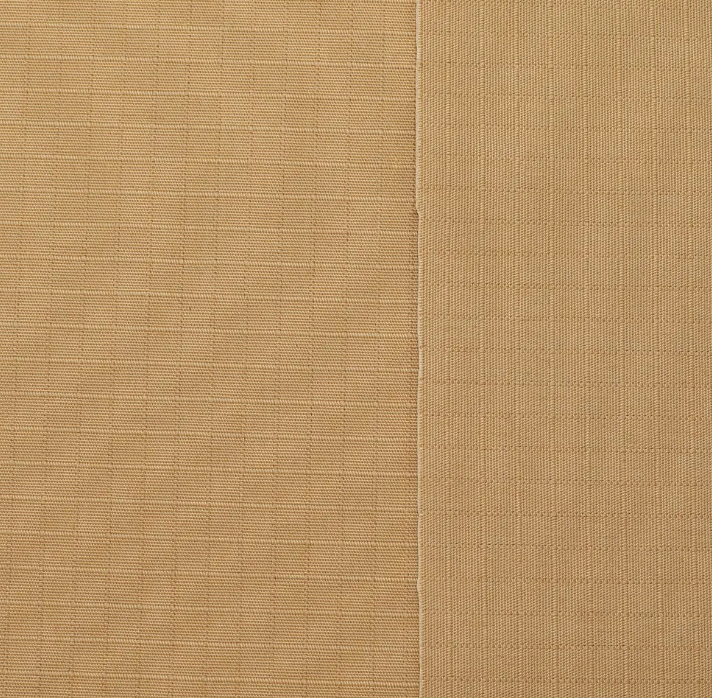
Ask any safety manager what kills workwear first, and the answer is almost always the same: not stains, not tears, but gradual wear at friction points—knees, cuffs, pockets, and side seams. A logistics warehouse in Ningbo tracked uniform replacement cycles across 300 employees over two years. Plain weave cotton uniforms lasted an average of 14 weeks before showing unacceptable fraying. Twill weave poly-cotton uniforms in the same workplace went 26 weeks. The difference came down to one factor: weave structure.
What Twill Weave Does Differently
Plain weave fabrics cross each warp yarn over and under each weft yarn in a simple alternating pattern. Twill weave offsets the interlacing points, creating a diagonal rib structure visible on the fabric surface. That diagonal pattern isn‘t just decorative—it means fewer yarn interlacings per square inch, which allows the yarns to move slightly under stress rather than breaking against each other.
Research comparing woven fabric structures found that twill weave fabrics made from cotton-polyester blends consistently showed better quality retention before and after abrasion testing compared to plain weave constructions. The diagonal structure distributes friction forces across multiple yarns instead of concentrating them at single interlacing points.
How Abrasion Resistance Gets Measured
Two testing standards dominate the industry. Wyzenbeek (ASTM D4157) rubs a cotton duck fabric across the sample in a straight back-and-forth motion, measuring double rubs until visible wear or thread break occurs. Martindale (ISO 12947) uses a figure-eight motion and is more common outside North America.
For heavy-duty workwear applications, industry guidelines specify a minimum of 30,000 double rubs on the Wyzenbeek method or 40,000 cycles on the Martindale method. Twill workwear fabrics typically exceed these thresholds by a comfortable margin, while plain weave fabrics at comparable GSM often fall short.
A Real-World Workwear Case Study
A maintenance contractor operating across multiple industrial sites in China‘s Guangdong province tested three fabric specifications for their mechanic uniforms. All uniforms used 65/35 polyester-cotton blends at 235 GSM. The only variable was weave structure: plain weave, 2/1 twill, and 3/1 twill. Each mechanic worked the same 12-hour shifts performing identical tasks—crawling under machinery, leaning against metal surfaces, kneeling on concrete floors.
After 16 weeks, the plain weave uniforms showed significant pilling and fraying at the knees and along pocket edges. The 2/1 twill held up with moderate surface fuzzing but no thread breaks. The 3/1 twill showed the least visible wear, though testers noted that the looser surface texture caught more debris in the diagonal ridges.
The contractor standardized on 2/1 twill for the next order, balancing abrasion resistance against cleanability. The uniform replacement cycle extended from 10 weeks to 20 weeks, cutting annual uniform costs by 38 percent.
Where Twill Workwear Fabric Excels
|
Application
|
Why Twill Works
|
Recommended GSM
|
Expected Wyzenbeek Double Rubs
|
|---|---|---|---|
|
General warehouse uniforms
|
Balanced abrasion vs. comfort
|
195–235
|
30,000–50,000
|
|
Heavy industrial (welding, fabrication)
|
Maximum durability
|
235–300
|
50,000–80,000
|
|
Logistics and transportation
|
Pocket edge wear resistance
|
170–210
|
25,000–40,000
|
|
Construction (kneeling heavy)
|
Knee abrasion protection
|
235–280
|
45,000–70,000
|
Polyester Content Enhances Abrasion Resistance
Polyester fibers have higher tensile strength and better elastic recovery than cotton. When blended into workwear fabrics, polyester reinforces the yarn structure and resists the abrasive forces that break down cotton fibers over time. A study comparing hybrid woven fabrics found that polyester-cotton blends outperformed pure cotton in abrasion resistance across multiple weave structures.
For workwear applications, 65/35 polyester-cotton blends strike the most common balance. The polyester handles abrasion and wrinkle resistance. The cotton provides breathability and a more comfortable hand feel against the skin. Moving to 80/20 blends increases abrasion resistance further but reduces comfort in hot environments.
Limitations Worth Acknowledging
Twill weave won‘t fix a poorly chosen yarn count or low-quality fiber. A twill fabric made from coarse, uneven yarns will still fail faster than a well-constructed plain weave from high-grade materials. The weave structure improves abrasion resistance, but it doesn’t compensate for fundamental material deficiencies.
Twill also tends to trap dirt and debris in the diagonal ridges more than plain weave. For workwear used in extremely dirty environments—coal handling, cement plants, foundries—a smoother plain weave might clean more easily even if it wears out faster. The right choice depends on whether cleaning frequency or replacement cost drives the decision.
What to Look for in Twill Workwear Fabric Specs
When evaluating twill workwear fabric from a supplier, ask for specific data points:
-
Wyzenbeek double rub count with the test method clearly stated
-
Yarn count (finer yarns generally wear better than coarse ones at the same GSM)
-
Polyester-cotton blend ratio (65/35 is the industry baseline for most workwear)
Suppliers who can‘t provide abrasion test data should raise a red flag. Any mill producing serious workwear fabric will have these numbers on file.
Consistency Across Production Runs
Twill workwear fabric requires precise loom settings to maintain the diagonal structure consistently. Mills that control both spinning and weaving can maintain tighter tolerances on yarn quality and weave construction than operations that piece together production from multiple contractors.
HBGB Textile produces polyester-cotton twill workwear fabrics in 150 GSM to 235 GSM ranges, with documented abrasion resistance meeting or exceeding industry thresholds for heavy-duty applications. The company‘s four factories operate air-jet looms that maintain consistent pick density across large production runs.
Table of Contents
- What Twill Weave Does Differently
- How Abrasion Resistance Gets Measured
- A Real-World Workwear Case Study
- Where Twill Workwear Fabric Excels
- Polyester Content Enhances Abrasion Resistance
- Limitations Worth Acknowledging
- What to Look for in Twill Workwear Fabric Specs
- Consistency Across Production Runs