 EN
EN

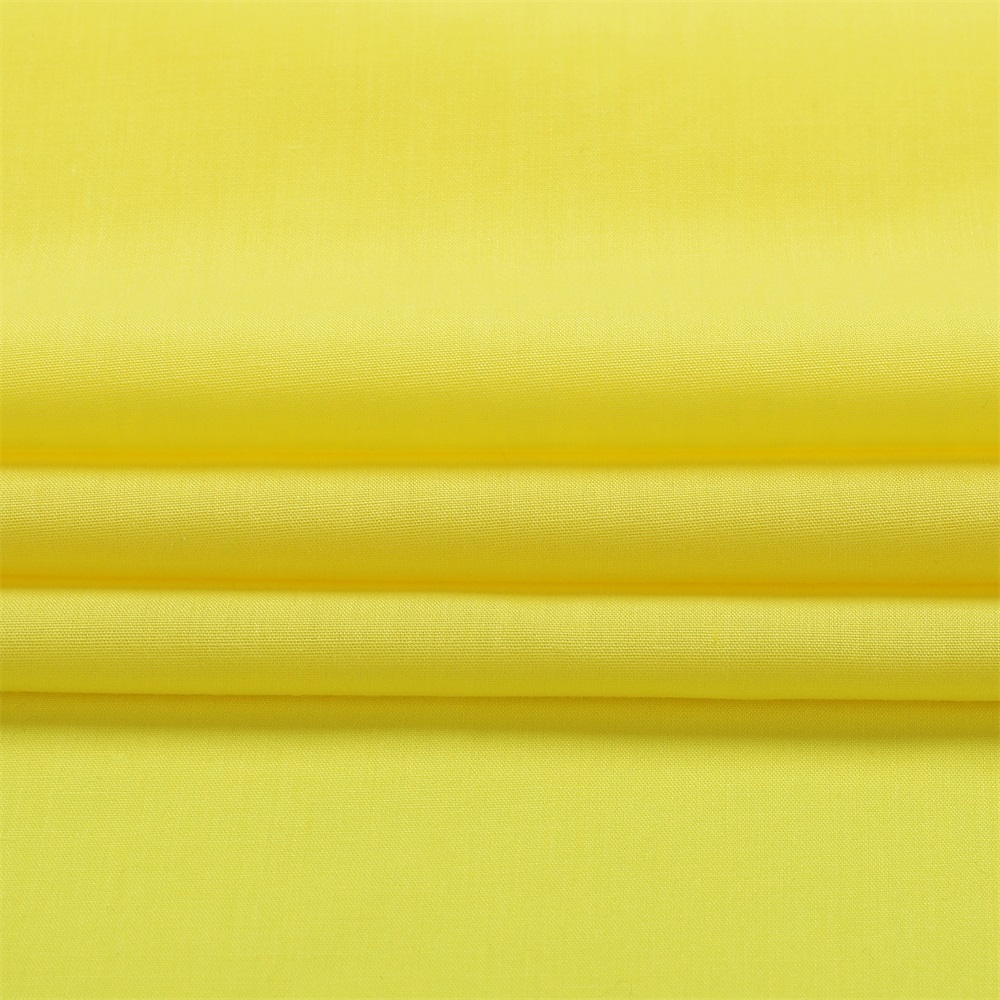
Exploring the Shifting Landscape of Contemporary Suiting Hues
Fabric sourcing and textile manufacturing have shifted dramatically over recent years as professional dress codes and consumer lifestyle expectations lean heavily toward adaptable comfort combined with long-lasting neatness. Anyone closely involved in global fashion supply chains or garment retail knows that choosing the right color palette can entirely make or break a seasonal apparel collection. When apparel brands and wholesale distributors evaluate polyester viscose blended fabrics, universally known throughout the global market as TR suiting fabric, they constantly look for that sweet spot between timeless professional elegance and everyday versatility. Industry insights consistently point out that demand for durable blended suiting textiles continues growing steadily across corporate uniform sectors, hospitality programs, and smart-casual tailoring markets, where buyers expect both striking visual appeal and dependable structural longevity without ever compromising on wearer comfort. Furthermore, modern consumers increasingly gravitate toward fabrics that naturally resist wrinkles throughout long working hours, making high-quality TR blends an absolute cornerstone in contemporary retail collections worldwide. In addition, garment makers appreciate how easily these blended fabrics hold their tailored shape across different seasons, making them a reliable choice for global fashion lines looking to optimize fabric performance and cost-efficiency.
Decoding Industrial Color Preferences in Blended Fabrics
Selecting and dyeing shades for TR suiting material involves precise chemical understanding rather than mere artistic guesswork. Because synthetic polyester and cellulosic viscose fibers absorb dye stuffs through completely different chemical pathways, achieving deep, stable, and uniform coloration requires advanced dyeing techniques and careful thermal management. Professional textile mills typically rely on specialized multi-step dyeing procedures to ensure that both fiber types take on rich and consistent solid tones without fading or uneven patching. Market feedback shows that traditional staples like deep navy, dark charcoal grey, and classic black remain absolute favorites for corporate suiting and formal business wear. These dark neutrals dominate commercial orders across the board because they convey an inherent sense of professional authority and seamlessly fit into diverse business cultures across different continents, offering endless pairing possibilities with various shirt and accessory combinations. Moreover, mills constantly refine their dyeing formulas to enhance color brilliance and ensure that fabric batches meet rigorous international standards for professional wear.
Balancing Seasonal Trends with Everyday Practical Wearability
Even though dark neutrals continue leading formal workplace categories, modern menswear and womenswear collections are opening up to softer, transitional tones and subtle heather effects. Earthy color tones such as warm taupe, muted olive, rich tobacco brown, and subtle slate blue are gaining remarkable traction across retail markets in Europe and North America. From a practical manufacturing standpoint, lighter heather styles and textured visual depth achieved by blending contrasting yarns together offer an elevated aesthetic while doing a fantastic job at hiding minor everyday dust or wear. Independent textile testing guidelines emphasize that maintaining brilliant color fastness through repeated commercial dry cleaning cycles and long hours under bright sunlight is crucial for high-performance garments made from blended staple yarns, ensuring that garments retain their fresh look season after season. Designers often experiment with these rich transitional shades to inject fresh energy into classic collections without alienating traditional buyers.
Navigating Global Sourcing and Supply Chain Consistency
Sourcing fabrics internationally requires a keen eye for supply chain transparency, reliable inventory flow, and strict batch-to-batch shade consistency. Slight variations in raw staple fiber quality, ambient humidity levels during spinning, or minor shifts in dye bath temperatures can sometimes cause noticeable color variations between production batches, which can frustrate large-scale garment manufacturing schedules. Leading textile producers utilize advanced spectrophotometer color matching technology and strict quality checkpoints to ensure that every single meter of woven fabric matches the approved color standard precisely. Working alongside vertically integrated manufacturing partners equipped with comprehensive in-house testing laboratories helps global apparel brands minimize these risks, streamline production timelines, and protect their hard-earned brand reputation in competitive retail markets. Effective supply chain management ultimately guarantees smooth production runs from initial yarn dyeing down to final bulk fabric shipment.
Maximizing Retail Success Through Advanced Fabric Engineering
Beyond standard color selection and routine laboratory testing, the ultimate success of any suiting line relies on the tactile feel, drape quality, and structural resilience of the fabric. TR blends offer a unique advantage by combining the crisp wrinkle resistance of synthetic fibers with the breathable softness of regenerated cellulose. When garment brands collaborate closely with experienced textile manufacturers, they can customize weight grams, weave densities, and stretch parameters to match exact regional climate requirements and target consumer preferences. This level of technical adaptability ensures that finished trousers, blazers, and full suits maintain superior comfort, elegant silhouette lines, and long-term durability across diverse retail environments.
Partnering with Gaibo for Superior Manufacturing and Supply Solutions
Finding the right manufacturing partner is often the deciding factor for apparel brands and distributors aiming to stand out in crowded global markets. Gaibo has established a strong reputation in the textile industry by combining advanced weaving machinery, precision dyeing capabilities, and thorough laboratory testing protocols to deliver exceptional TR suiting fabrics. Through robust expertise in custom color development, sustainable manufacturing practices, and dependable logistics support, Gaibo empowers global partners to bring sophisticated apparel collections to life with absolute confidence, ensuring top-tier fabric performance, dependable supply chain execution, and lasting market appeal.
Table of Contents
- Exploring the Shifting Landscape of Contemporary Suiting Hues
- Decoding Industrial Color Preferences in Blended Fabrics
- Balancing Seasonal Trends with Everyday Practical Wearability
- Navigating Global Sourcing and Supply Chain Consistency
- Maximizing Retail Success Through Advanced Fabric Engineering
- Partnering with Gaibo for Superior Manufacturing and Supply Solutions
