EN
EN

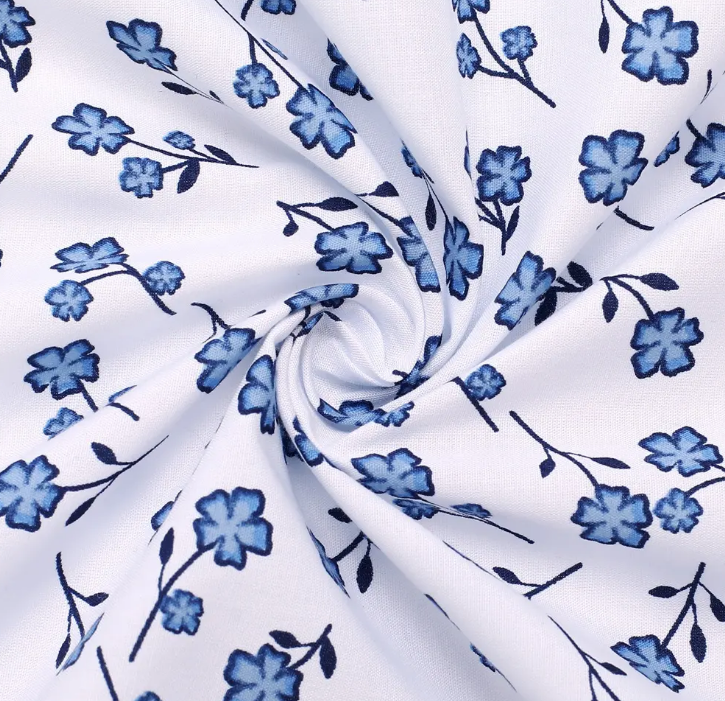
Walk through any souk in Riyadh or Jeddah during the summer months, and the racks of white thobes tell a practical story. Buyers have shifted significantly toward polyester and poly-blend fabrics over the past decade, not because of tradition but because of performance. A manufacturer in Guangzhou once explained the shift simply: “Cotton looks good for an hour. Polyester looks good all day.” Let‘s break down what 100% polyester thobe fabric actually delivers.
Lightweight Construction Without Sacrificing Durability
Thobe fabrics typically range from 120 to 180 GSM for year-round wear. Pure polyester variants around 120 GSM provide a noticeably lighter hand feel compared to cotton or cotton-blend alternatives at the same weight. The fiber‘s inherent tensile strength allows mills to use finer yarns while maintaining tear resistance. A standard polyester filament around 75D to 150D offers sufficient strength for daily wear without the bulk that makes a thobe feel heavy or stiff.
The lightweight property matters more in the Gulf region‘s extreme summer heat. Temperatures regularly exceed 45°C (113°F) from June through September, and every gram of fabric weight affects how the garment breathes and drapes on the body.
Moisture Management and Breathability Considerations
Standard polyester has low moisture regain—around 0.4 percent compared to cotton’s 8.5 percent. That means the fiber doesn‘t absorb sweat; it wicks it away from the skin and pushes it to the fabric surface for evaporation. However, untreated polyester can feel clammy in high-humidity environments like coastal Jeddah or Dammam.
That’s where finishing treatments make the difference. Moisture-wicking finishes applied during the dyeing or finishing stage transform standard polyester into a genuinely breathable fabric for hot climates. A buyer sourcing for the Saudi market should specifically ask whether the mill applies hydrophilic finishing, not just assume all polyester thobe fabrics perform the same way.
Wrinkle Resistance That Reduces Daily Maintenance
This is where polyester truly outshines natural fibers. The fiber‘s thermoplastic nature means it holds the shape set during heat setting and returns to that shape after creasing. A 100% polyester thobe can be folded, packed in a suitcase for a flight, and hung up ten hours later with minimal wrinkles. Cotton, by comparison, requires ironing after almost any compression.
For daily wear across multiple shifts—morning prayer, business meetings, evening family gatherings—that wrinkle resistance translates to real convenience. One less garment to press each morning adds up over a year.
Color Retention and Wash Durability
Polyester fibers take disperse dyes, which bond at the molecular level rather than simply coating the surface. The result is excellent colorfastness to washing, light exposure, and even perspiration. White thobes, which dominate the market, maintain their brightness through repeated industrial or home laundering cycles. Off-white and beige variants resist yellowing longer than cotton alternatives treated with optical brighteners.
The fabric also dries faster than cotton. A typical 100% polyester thobe hung in moderate conditions dries completely within two to three hours, compared to six or more for comparable cotton.
A Comparative Look: Polyester vs. Cotton in Thobe Applications
|
Property
|
100% Polyester
|
100% Cotton
|
|---|---|---|
|
Weight at comparable thickness
|
120–150 GSM
|
150–180 GSM
|
|
Wrinkle recovery (AATCC 66)
|
280–300°
|
150–180°
|
|
Drying time (indoor, 25°C)
|
2–3 hours
|
6–8 hours
|
|
Colorfastness to washing (Grade)
|
4–5
|
3–4
|
|
Shrinkage control
|
<2%
|
3–5% (unless pre-shrunk)
|
Practical Longevity in High-Turnover Environments
A hospitality buyer managing uniform rotation for a hotel chain in Dubai ran a simple test across 500 thobes used by front-of-house staff. Half were 100% polyester from one specification, half were a cotton-poly blend at similar price points. Over six months of weekly industrial laundering, the pure polyester thobes showed noticeably less edge fraying and pilling at the collar and cuffs. The cotton-blend units started showing visible wear around week 14. The pure polyester batch remained serviceable through week 26 with only minor surface fuzzing.
The Limitation Worth Noting
Polyester traps more body heat than cotton when used in very high-activity settings. For someone sitting in an air-conditioned office or riding in a car, the difference is negligible. For outdoor labor or extended periods in direct sun, a lightweight cotton or high-cotton blend might feel more comfortable. The fiber also generates static electricity in very dry conditions, though anti-static finishing treatments can reduce this effect.
Supply Chain Advantages of 100% Polyester Thobe Fabric
Mills producing 100% polyester thobe fabric can maintain consistent quality across large production runs because synthetic fibers have fewer natural variations than cotton. A buyer ordering multiple container shipments over several months receives fabric with the same weight, hand feel, and color shade each time. For brands building a consistent product line, that predictability matters.
HBGB Textile manufactures 100% polyester spun yarn and woven fabrics specifically for robe and thobe applications, with options across different GSM ranges to match seasonal requirements. The integration of spinning and weaving under one roof means tighter control over yarn uniformity and fabric construction than a mill that sources yarn from third parties.
Table of Contents
- Lightweight Construction Without Sacrificing Durability
- Moisture Management and Breathability Considerations
- Wrinkle Resistance That Reduces Daily Maintenance
- Color Retention and Wash Durability
- A Comparative Look: Polyester vs. Cotton in Thobe Applications
- Practical Longevity in High-Turnover Environments
- The Limitation Worth Noting
- Supply Chain Advantages of 100% Polyester Thobe Fabric