EN
EN

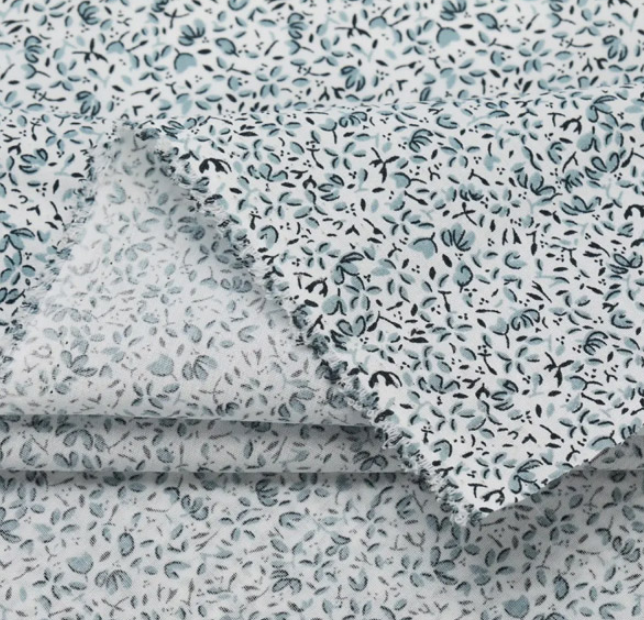
Cotton Excellence: Why Staple Length Determines High Quality Shirting Fabric
The cornerstone of any premium dress shirt begins not with thread count, but with the raw fiber itself. Staple length—the average length of individual cotton fibers—is the single most important predictor of fabric quality. Short-staple upland cotton (under 1 inch) yields coarse, weak yarns prone to pilling. In contrast, extra-long-staple (ELS) fibers measuring over 1.5 inches produce threads that are smoother, stronger, and more uniform—directly enabling superior hand feel, drape, and longevity in high quality shirting fabric.
Egyptian, Pima, and Sea Island Cotton — Verified Origins for Superior Softness and Tensile Strength
Three varieties dominate the ELS category, each tied to a specific growing region that delivers certified fiber quality. Egyptian cotton—particularly Giza strains grown along the Nile—is the most widely recognized for its silky luster and strength. Pima cotton (also called American ELS) offers comparable softness and tensile performance, backed by rigorous domestic traceability standards. Sea Island cotton, grown in the Caribbean, is the rarest and longest, with fibers regularly exceeding 2 inches. Only about 3% of the world’s cotton qualifies as ELS—a scarcity rooted in geography, climate, and agronomic precision.
| Category | Fiber Length | Typical Feel | Durability |
|---|---|---|---|
| Short-staple (Upland) | Under 1 inch | Coarse, rough | Moderate – prone to pilling |
| Long-staple (Pima) | 1.25–1.5 inches | Soft, smooth | High |
| Extra-long-staple (Egyptian, Sea Island) | Over 1.5 inches | Silky, luxurious | Very high – grows softer with washing |
How Extra-Long-Staple Fibers Enable Higher Thread Counts, Silky Drape, and Long-Term Durability
Longer fibers can be spun into finer, more uniform yarns—enabling authentic high thread counts (200–600) without compromising integrity. Unlike low-grade cotton, where inflated counts rely on multi-ply twisting of weak strands, ELS fabrics use single-filament yarns. This delivers elegant drape, exceptional breathability, and resistance to pilling over years of wear. The smooth surface also minimizes skin friction, enhancing comfort that deepens with laundering. For B2B buyers, specifying verified ELS cotton ensures consistent performance, lower return rates, and credibility behind the “luxury” claim.
Premium Natural Alternatives: Linen, Silk, and Wool in High Quality Shirting Fabric
European Flax Linen — Breathable, Eco-Certified, and Structurally Distinctive (With Realistic Wrinkle Expectations)
European flax linen—especially from Normandy’s terroir—is a benchmark for high quality shirting fabric where performance meets sustainability. It wicks moisture 20% more effectively than cotton (Textile Institute, 2023) and offers three times the air permeability, making it ideal for warm climates. Its signature slubbed texture evolves with wear, gaining character rather than fatigue. While natural wrinkling is inherent—and requires realistic expectations—the fabric’s structural resilience is exceptional: linen gains 15% tensile strength when wet, reinforcing long-term durability. Its biodegradability (decomposing fully in soil within two weeks) and thermoregulatory capacity—cooling skin by 2–3°C—further distinguish it as a functional luxury.
| Property | Benefit | Trade-off |
|---|---|---|
| Air permeability | 3x greater than cotton | Wrinkles develop quickly |
| Biodegradability | Decomposes in 2 weeks in soil | Requires careful ironing |
| Thermoregulation | Cools skin by 2–3°C in heat | Stiffness when new |
Silk and Merino Wool Shirting — Luxury Thermoregulation and Luster, Balanced Against Care Complexity
Mulberry silk and ultrafine merino wool bring distinct luxury advantages to high quality shirting fabric. Silk’s protein-based structure delivers signature light-reflective luster and thermoregulation—keeping wearers 2–4°C cooler than synthetics in warm conditions. Merino wool, with micron counts under 18.5µ, provides itch-free comfort and natural odor resistance lasting 30% longer than cotton blends. Both demand specialized care: silk requires pH-balanced detergents to preserve tensile strength, while superwash-treated merino must be washed cold to prevent felting shrinkage. When specified correctly, these fibers offer uncompromised elegance and intelligent climate response—not just aesthetic appeal.
Certified Sustainable Innovations: Tencel™, Organic Cotton, and GOTS Linen
Today’s discerning buyers expect high quality shirting fabric to meet both performance and planetary standards. Tencel™ (lyocell), made from sustainably harvested wood pulp in a closed-loop process that recovers over 99% of solvents, delivers silky drape and advanced moisture-wicking without ecological trade-offs. Organic cotton—certified to the Global Organic Textile Standard (GOTS)—eliminates synthetic pesticides and mandates at least 70% organic fiber content, ensuring ethical cultivation and processing. GOTS-certified European flax linen adds another layer of assurance: it combines natural breathability and biodegradability with strict limits on chemical inputs and water use. Together, these innovations prove that rigorous eco-certification strengthens—not dilutes—fabric integrity, aligning luxury with traceability and resource stewardship.
Strategic Blends That Elevate Performance While Preserving Luxury Feel
Cotton-Lyocell: Enhancing Drape, Moisture Management, and Dimensional Stability
Cotton-Lyocell blends combine the familiarity of cotton with Lyocell’s engineered performance. The result is a shirting fabric with fluid drape, excellent moisture-wicking, and reduced shrinkage—maintaining shape wash after wash. Lyocell’s smooth, hydrophilic fibers add a subtle silkiness while preserving cotton’s natural softness and breathability. This blend is especially valuable for professionals seeking polished aesthetics and all-day comfort without synthetic compromises.
Cotton-Linen and Cotton-Elastane: Targeted Trade-Offs for Warm-Weather Wear and All-Day Shape Retention
Cotton-linen blends strike a practical balance for warm-weather shirting: they retain linen’s cooling properties and textural interest while reducing wrinkling through cotton’s stability. Ideal for business-casual contexts, they deliver relaxed refinement without sacrificing function. Cotton-elastane blends—typically incorporating 2–5% elastane—add stretch and recovery, preventing bagging in fitted silhouettes and supporting dynamic movement. Though breathability dips slightly versus pure cotton, the trade-off delivers reliable shape retention and comfort across extended wear. Both approaches reflect intentional material strategy—enhancing utility while honoring the sensory and visual hallmarks of high quality shirting fabric.
Table of Contents
- Cotton Excellence: Why Staple Length Determines High Quality Shirting Fabric
- Premium Natural Alternatives: Linen, Silk, and Wool in High Quality Shirting Fabric
- Certified Sustainable Innovations: Tencel™, Organic Cotton, and GOTS Linen
- Strategic Blends That Elevate Performance While Preserving Luxury Feel