 EN

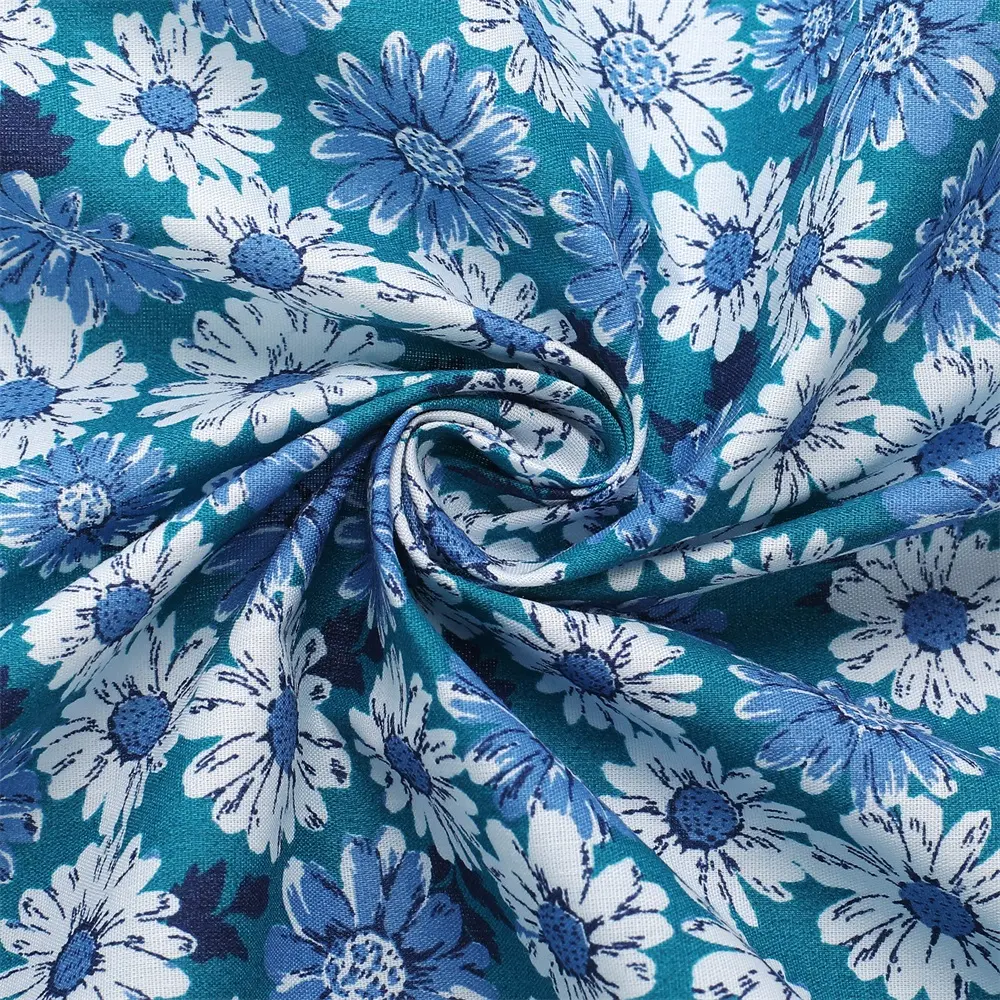
Navigating the Complexities of Global Fabric Sourcing
In the fast-paced world of international apparel, the textile you select establishes the fundamental reputation and commercial viability of a fashion brand. Whether launching an exclusive line of premium business shirting, robust utility workwear, or everyday comfort clothing, partnering with the right custom fabric manufacturer can completely determine supply chain success. Sourcing raw textiles globally involves managing varied quality standards, hidden production roadblocks, and tight delivery schedules that frequently threaten entire seasonal collections. Industry analysts often note that a significant percentage of fashion brands experience operational hiccups during early prototyping due to mismatched supplier competencies. Moving past superficial marketing claims to evaluate potential manufacturing partners based on technical skill, operational transparency, and systemic stability is a crucial business strategy that protects financial investments and secures brand reputation.
Evaluating Technical Infrastructure and Production Capabilities
When reviewing potential manufacturing partners, distinguishing between middleman trading companies and genuine, vertically integrated textile mills is essential. Authentic technical expertise originates from owned infrastructure and deep-rooted industrial capabilities. A professional custom fabric manufacturer should openly communicate core hardware capacities, such as the total volume of active ring-spinning spindles, automated air-jet looms, and dedicated chemical dyeing or finishing lines. Mills equipped with extensive modern looms and advanced spinning technology maintain strict consistency in yarn tension, weave uniformity, and precise fabric density, including customized polyester-cotton and combed cotton blends. Asking for fundamental operational metrics—such as average monthly output capacity and maximum reliable warp and weft densities without compromising tensile strength—ensures that creative apparel designs translate seamlessly from digital concept sheets into durable, high-performance physical textiles.
Quality Assurance Systems and Compliance Certifications
Trust within modern textile manufacturing relies entirely upon verifiable testing protocols, transparent data, and international compliance standards rather than empty promotional guarantees. Professional fabric suppliers implement comprehensive, multi-stage quality control frameworks spanning every single stage of production, from raw fiber inspection through finished roll testing. Vital technical benchmarks—including dimensional stability against shrinkage, color fastness during washing and light exposure, and overall pilling resistance—must strictly conform to recognized international testing protocols like ISO or ASTM guidelines. Furthermore, industry authority requires rigorous adherence to global environmental, ecological, and ethical practices. Certifications such as the Global Recycled Standard or the Better Cotton Initiative demonstrate that a manufacturing partner actively prioritizes sustainable lifecycle management and ethical labor standards. Collaborating with fully certified partners shields global brands from unexpected regulatory risks and directly fulfills modern consumer demands for transparent, eco-conscious material sourcing.
Customization Agility and Research Innovation
Every modern apparel brand possesses a unique creative vision, meaning standard off-the-shelf fabrics rarely satisfy distinct market positioning or specific aesthetic requirements. A premier custom fabric manufacturer must maintain robust research and development capabilities to handle highly specific client requests, whether that involves engineering specialized oxford weaves, adjusting pocket fabric weight for optimal wearer comfort, or applying functional technical finishes like water-repellent or anti-static treatments. Practical experience alongside international fashion houses shows that the defining differentiator between average suppliers and elite manufacturing partners lies in rapid prototype turnaround times and precise color-matching accuracy. Adept manufacturers utilize advanced computerized color-matching systems alongside flexible custom options across yarn counts, unique weaves including plain, poplin, and twill, and specialized chemical treatments to ensure creative concepts achieve absolute execution precision.
Supply Chain Resilience and Partnership Value Through Hebei Gaibo
Ultimately, selecting a textile manufacturer is about establishing a resilient, long-term supply chain that actively safeguards businesses against unpredictable market fluctuations. Brands require trusted partners who combine massive production scale with responsive customer communication, transparent operational updates, and stable, efficient international logistics. This is where industry veterans deliver genuine commercial value. Backed by extensive experience in professional textile manufacturing, Hebei Gaibo exemplifies this comprehensive, customer-focused operational approach. Operating advanced spinning and weaving facilities, Hebei Gaibo specializes in high-performance shirting fabrics, professional uniforms, and durable pocketing materials, supplying millions of meters globally under rigorous quality control standards. By seamlessly integrating spinning, advanced weaving, and comprehensive global export capabilities under one unified operational roof, Hebei Gaibo empowers international apparel brands with reliable delivery timelines, customized engineering solutions, and exceptional commercial value, establishing a benchmark partnership for future textile ventures.
