EN
EN

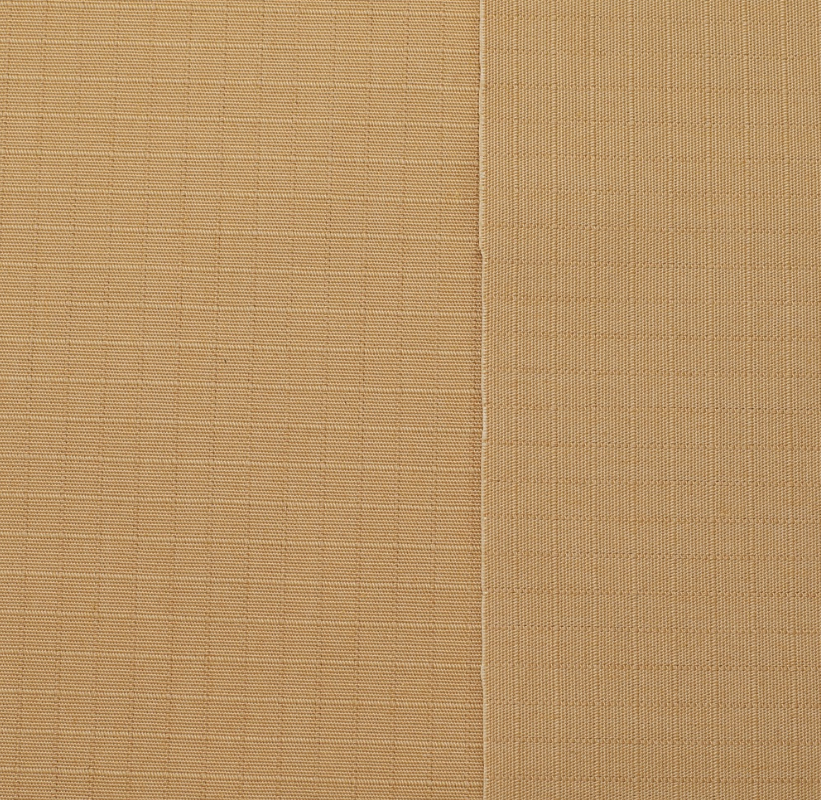
Why Twill Workwear Fabric Excels in Construction Environments
The Diagonal Weave Advantage: Strength, Flexibility, and Stress Distribution Under Physical Strain
Twill’s signature diagonal ridges are more than a visual trait—they’re the foundation of its mechanical superiority in demanding environments. In standard 2/1 or 3/1 twill structures, each warp yarn floats over two or three weft picks before interlacing, forming continuous diagonal lines. This reduces interlacing points per inch compared to plain weave—fewer rigid crossings mean yarns can shift slightly under load, distributing stress across a broader area rather than concentrating it at isolated junctions. The result is enhanced shock absorption and resistance to repeated bending or stretching. For construction workers who routinely squat, kneel, climb scaffolding, or operate heavy equipment, this controlled flexibility prevents sudden fabric failure while maintaining structural integrity and a firm, responsive hand.
Twill vs. Plain Weave: Quantifying Durability Gains in Tear Resistance and Abrasion Performance
Twill consistently outperforms plain weave in key durability metrics relevant to construction. Per ASTM D3884 abrasion testing, equivalent-weight twill fabrics typically endure 50–70% more cycles before failure than plain weaves—thanks to longer float lengths that spread abrasive forces over larger surface areas instead of concentrating wear at tight cross-points. Tear resistance also improves significantly: the diagonal architecture impedes straight-line tear propagation. A 7 oz/yd² cotton twill, for example, resists tearing forces approximately 30% better than a same-weight plain weave. On active sites—especially during concrete finishing, rebar tying, or material handling—this translates directly into fewer seam blowouts, extended garment life, and reduced replacement costs. Twill’s balanced durability-to-weight ratio makes it the functional benchmark for general construction apparel.
Critical Selection Criteria for Twill Workwear Fabric
Selecting the right twill workwear fabric for construction requires more than just picking a material that feels sturdy. Three key factors—weight, fiber composition, and validated abrasion resistance—determine whether the garment will deliver both protection and mobility across demanding job sites.
Weight Matters: Choosing 6–12.5 oz/yd² Twill for Optimal Protection and Mobility
Fabric weight directly shapes the trade-off between durability and comfort. Lightweight twills (≈6 oz/yd²) maximize breathability and freedom of movement—ideal for overhead work or tasks requiring constant bending. Mid-weight options (8–10 oz/yd²) strike the most versatile balance for general construction roles. Heavyweight twills (10.5–12.5 oz/yd²) deliver peak tear and abrasion resistance but may compromise agility and increase thermal load over long shifts. Demolition crews or rebar tiers often benefit from heavier weights; roofers or HVAC technicians in hot climates typically prioritize lighter versions. Always align weight selection with task-specific physical demands—not just perceived ruggedness.
Fiber Composition: Cotton, Polyester-Cotton Blends, and High-Performance Synthetics for Construction Demands
Fiber choice defines not only comfort but functional lifespan. 100% cotton twill offers softness and breathability but absorbs moisture, dries slowly, and shrinks with repeated laundering—limiting consistency on multi-shift rotations. Polyester-cotton blends (e.g., 65% polyester / 35% cotton) improve dimensional stability, accelerate drying, enhance abrasion resistance, and retain moderate breathability—the reason they dominate industry-standard workwear. High-performance synthetics like nylon or aramid-based twills offer exceptional tear strength and inherent flame resistance but reduce air permeability and may feel less comfortable in sustained heat. For most general construction applications, a 50/50 or 65/35 polyester-cotton blend delivers the optimal mix of durability, manageability, and wearer acceptance.
Validating Abrasion Resistance: ASTM D3884 Testing and Field-Proven Wear Life on Active Sites
Abrasion resistance is the single most critical performance metric for construction twill. ASTM D3884 (Taber Abrasion Test) provides standardized, comparable data: lightweight fabrics typically score 500–1,000 cycles; heavy-duty twills regularly exceed 2,500. Yet lab results alone are insufficient—real-world wear depends on how the fabric interacts with concrete, rebar, jackhammer handles, and other site-specific abrasives. Prioritize manufacturers that pair ASTM D3884 data with field validation, including documented wear-life references from active construction crews. Also inspect construction details: reinforced seams, denser fabric at high-stress zones (knees, elbows, pockets), and consistent yarn twist all contribute to real-world longevity. A 10 oz/yd² polyester-cotton twill scoring 3,000 cycles in the lab may still show premature edge fraying without proper reinforcement—making holistic evaluation essential.
Top Twill Workwear Fabric Types Compared for Construction Use
Drill Twill: Heavy-Duty Benchmark for Framing, Excavation, and Rigging Crews
Drill twill remains the gold standard for high-abrasion, high-impact construction roles. Its dense 3/1 warp-faced weave delivers a crisp, structured hand and outstanding resistance to wear from tools, rough lumber, and repetitive motion—making it the preferred choice for framing, excavation, and rigging crews. The tightly packed warp yarns create a durable barrier against snags and scuffs while retaining the diagonal flexibility that prevents catastrophic tearing. When structural integrity and long-term resilience are non-negotiable, drill twill sets the benchmark.
Gabardine vs. Denim Twills: Trade-Offs in Stain Management, Wrinkle Recovery, and Thermal Comfort
Gabardine and denim represent distinct performance profiles within the twill family—each suited to different site priorities. Gabardine uses very tightly spun yarns and a steep, refined diagonal, yielding a sleek, slightly lustrous surface that repels stains and resists wrinkling throughout the workday. Denim, while inherently durable, relies more on fiber reinforcement (often with polyester or elastane) and softens with wear—offering comfort over time but less innate stain resistance and wrinkle recovery. Thermal performance differs too: gabardine’s tight structure provides moderate insulation, while denim’s heavier mass suits temperate conditions but may overheat in sustained sun exposure.
| Twill Type | Weight & Feel | Abrasion Resistance | Stain Management | Wrinkle Recovery | Thermal Comfort |
|---|---|---|---|---|---|
| Drill Twill | Heavy-duty, crisp body | Excellent (3/1 weave) | Moderate | Good | High insulation |
| Gabardine | Medium to heavy, sleek | Good (tight yarns) | Excellent | Superior | Moderate |
| Denim | Medium to heavy, softens with wear | Excellent | Moderate | Fair | Best for moderate climates |
For framing or demolition, drill twill’s durability is unmatched. For crews needing professional appearance and low-maintenance care—like supervisors or site inspectors—gabardine offers clear advantages. Denim excels where long-term comfort and tool-pocket durability matter most.
Matching Twill Workwear Fabric to Specific Construction Roles and Conditions
The best twill workwear fabric is defined by its alignment with daily tasks and hazard exposure—not universal “toughness.” Framing crews facing constant contact with rough lumber and sharp edges benefit most from heavy 10–12 oz/yd² drill twill, which delivers maximum tear resistance and seam longevity. Roofers require a different balance: mid-weight 7–9 oz/yd² cotton-polyester twill offers UV-resistant moisture wicking, breathability, and sufficient abrasion resistance for shingle handling and metal flashing work. Welders and ironworkers need inherently flame-resistant (FR) twills—typically modacrylic, aramid, or FR-treated polyester-cotton blends—that resist ignition from sparks and molten metal splatter without compromising the diagonal strength of the weave. Electricians and HVAC technicians, whose work demands frequent ladder climbing and confined-space maneuvering, gain measurable safety and efficiency from 6–8 oz/yd² twills with 2–3% elastane—adding strategic stretch while preserving core twill integrity. By anchoring fabric decisions in role-specific demands—not assumptions—procurement teams reduce turnover, extend PPE life, and support sustained worker performance.