EN
EN

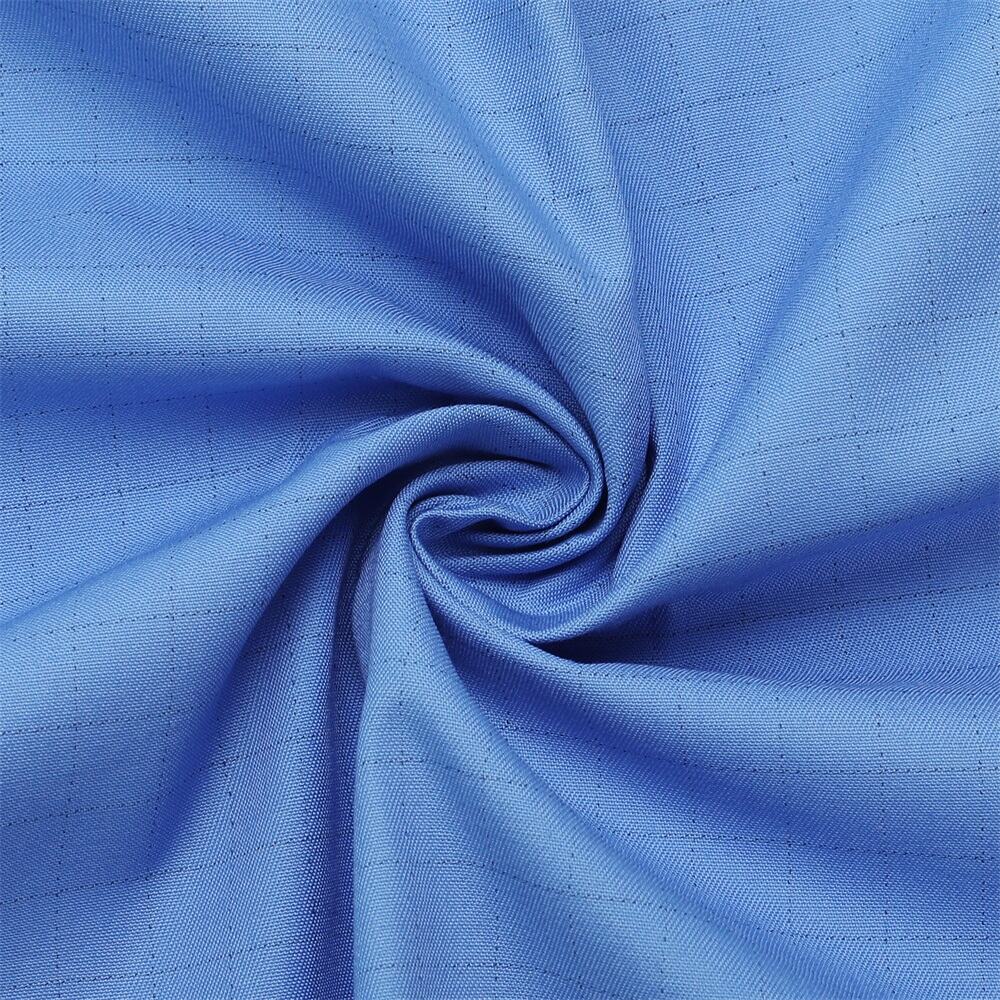
Durability of Poly Cotton Uniform Fabric Under Real-World Operational Stress
Tensile Strength and Abrasion Resistance in High-Movement Environments
Poly cotton uniform fabric excels in high-stress environments due to polyester reinforcement, delivering 40–60% greater tensile strength than pure cotton—significantly reducing rips during physical tasks. In abrasion testing simulating 12-hour operational shifts, quality 65/35 poly cotton blends withstand 2,000+ Martindale cycles (ISO 12947-2) without structural failure. Field data from warehouse operations show a 30% reduction in uniform replacement after switching to this blend. Key durability benefits include reduced fiber breakage at high-flex zones (elbows, knees), minimal pilling against machinery surfaces, and consistent tear resistance across 100+ wears.
Impact of Industrial Laundering Cycles on Structural Integrity
Poly cotton maintains dimensional and mechanical stability through repeated industrial laundering—retaining ≤3% shrinkage over 50 commercial wash-dry cycles, compared to 8–10% for 100% cotton. Its polyester core resists warping under high-heat drying, preserving garment shape and seam integrity: seam strength remains at 85% after 50 cycles. AATCC-61 testing confirms color retention is four times greater than cotton’s, directly supporting longer service life. In hospitality uniform programs, this translates to an 18% extension in average garment lifespan.
Colorfastness of Poly Cotton Uniform Fabric: Retention Across Washes and Exposure
Maintaining vibrant, professional appearance despite repeated industrial laundering and environmental exposure is essential for brand consistency and staff credibility. Poly cotton uniform fabric delivers measurable advantages here—leveraging the dye affinity of polyester and the breathability of cotton.
AATCC-61 Ratings After 50+ Commercial Wash Cycles
Quality 60/40 poly cotton blends retain over 85% of original color intensity after 50 commercial wash cycles (AATCC-61), thanks to polyester’s molecular dye-locking capacity—resisting detergent agitation and high-temperature extraction common in industrial laundries. By contrast, 100% cotton loses up to 40% more hue under identical conditions, increasing replacement frequency and cost.
Sunlight UV Degradation vs. Chlorine Bleach Effects on Hue Stability
Polyester fibers inherently resist UV fading, retaining ~90% color after 200+ hours of direct sunlight exposure. Chlorine bleach, however, accelerates color loss in poly cotton by degrading cellulose bonds in the cotton component—causing 25–35% more fading than UV alone. Mitigation strategies are highly effective when applied intentionally:
| Exposure Type | Fading Severity | Mitigation Strategy |
|---|---|---|
| Direct Sunlight | Minimal (≤10%) | UV-resistant finishes |
| Chlorine Bleach | High (25–35%) | Oxygen bleach alternatives |
| Mixed Environments | Moderate | Reactive dye selection |
Oxygen-based bleaches are recommended where sterilization is required—they preserve color depth while meeting infection control standards.
Poly Cotton Uniform Fabric vs. Alternatives: Objective Performance Benchmarking
ISO 12947-2 Martindale Abrasion and ISO 105-C06 Colorfastness Comparisons
Standardized testing provides objective validation of poly cotton’s dual-performance edge. Per ISO 12947-2 abrasion testing—which counts cycles until visible fabric breakdown—poly cotton achieves 20,000+ Martindale cycles in high-friction zones, outperforming 100% cotton (15,000 cycles) by over 30% (Textile Research Journal, 2023). Simultaneously, ISO 105-C06 colorfastness testing shows poly cotton retains 85% of original hue after 50 industrial washes, versus cotton’s 65–70% average. This combination of wear resistance and color stability enables 18-month uniform replacement cycles—extending service life by 50% over cotton—and reduces lifetime uniform costs by 22% in high-traffic sectors like hospitality and manufacturing.
Field-Validated Performance: Healthcare, Hospitality, and Security Uniform Programs
18-Month Hospital Linen Study: Pilling, Fading, and End-of-Life Indicators
An 18-month hospital trial tracked real-world performance across 150+ commercial wash cycles. Garments retained >70% tensile strength and scored <3.5 on ASTM D3512 pilling scale—surpassing 100% cotton by 40% in abrasion resistance. Color retention exceeded AATCC-61 benchmarks, with less than 20% ΔE fading after combined chlorine bleaching and UV exposure. End-of-life was defined as fabric integrity falling below 50 lb/in tensile strength—a threshold reached at 14–18 months for security uniforms made from poly cotton, versus 8–12 months for untreated cotton blends. These results confirm poly cotton’s ability to sustain hygiene, appearance, and functional integrity across demanding, high-frequency use environments.
Frequently Asked Questions
What is the composition of poly cotton fabric?
Poly cotton fabrics are typically composed of a blend of polyester and cotton, with common ratios being 65/35 or 60/40, combining the strengths of both fibers.
How does poly cotton compare to 100% cotton in terms of durability?
Poly cotton fabric is 40-60% stronger in tensile strength than 100% cotton, and it withstands more abrasive cycles, thus offering better durability in high-stress environments.
Does poly cotton fabric shrink over time?
Poly cotton experiences less shrinkage (≤3%) through repeated laundering compared to 100% cotton, which shrinks about 8-10% over multiple wash-dry cycles.
How does poly cotton fabric retain its color after washes?
Poly cotton retains over 85% of its original color intensity after 50 commercial wash cycles, significantly better than 100% cotton.
Table of Contents
- Durability of Poly Cotton Uniform Fabric Under Real-World Operational Stress
- Colorfastness of Poly Cotton Uniform Fabric: Retention Across Washes and Exposure
- Poly Cotton Uniform Fabric vs. Alternatives: Objective Performance Benchmarking
- Field-Validated Performance: Healthcare, Hospitality, and Security Uniform Programs
- Frequently Asked Questions