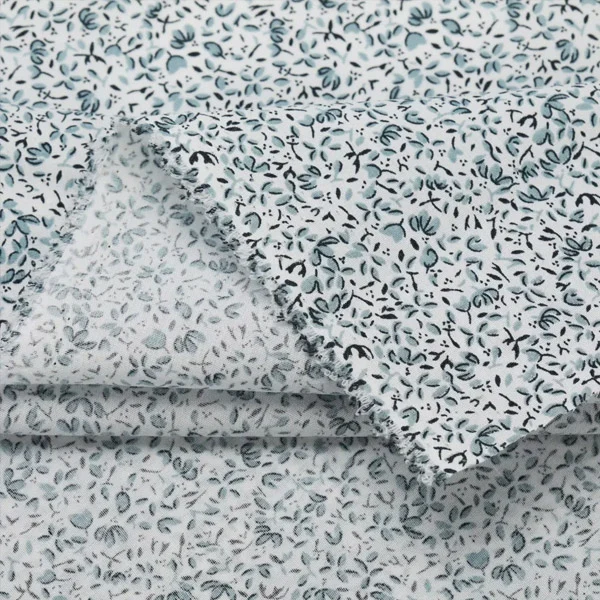
Introduction: Demystifying TC Shirting Fabric in Modern Apparel Engineering
When diving into the fast-paced world of global apparel manufacturing, picking the right textile substrate can completely make or break a garment line's commercial success. For decades, pure cotton has enjoyed widespread celebration for its natural hand-feel and classic everyday comfort, yet it frequently falls short in demanding commercial and professional environments due to high shrinkage rates, a strong tendency to wrinkle, and rapid wear over short operational cycles. Enter tc shirting fabric—an engineered, intelligent blend of polyester and cotton that effortlessly merges the absolute best physical qualities of both fibers. Drawing from over two decades of practical textile production experience, extensive laboratory stress-testing, and direct feedback from international fashion brands, industry experts find that polyester-cotton blended fabric is not merely a cost-effective alternative to pure cotton; it is an advanced engineered textile explicitly designed to solve specific performance challenges. Understanding precisely where this versatile fabric truly shines helps fashion designers, global procurement managers, and apparel brand owners maximize its utility across diverse, fast-evolving market segments.
Technical Superiority: The Synergy of Polyester and Cotton Blends
To fully appreciate why tc shirting fabric excels in specific high-performance scenarios, one must examine its microscopic architecture and physical engineering. Typically manufactured in optimized ratios such as sixty-five percent polyester and thirty-five percent cotton, or customized variants like eighty percent polyester and twenty percent cotton, the fabric cleverly leverages polyester’s exceptional tensile strength, hydrophobic resilience, and rapid elastic recovery, alongside cotton’s natural moisture-absorbent properties and soft tactile comfort against the skin. According to rigorous international textile testing standards, high-quality polyester-cotton blends exhibit superior abrasion resistance and a significantly lower shrinkage rate of less than two percent compared to standard one-hundred percent cotton fabrics, which often shrink considerably more during industrial washing. Furthermore, advanced spinning techniques—such as high-precision ring spinning and modern air-jet weaving utilized by leading manufacturing mills—ensure a uniform yarn structure that actively resists pilling, maintains brilliant color retention after repeated industrial laundering, and delivers reliable, long-lasting breathability.
Scenario One: Corporate Uniforms and High-Frequency Workwear Applications
Corporate office environments and demanding service industries require apparel that maintains a crisp, professional, and immaculate appearance from early morning until late evening without requiring constant ironing or mid-day touch-ups. This is precisely where tc shirting fabric establishes itself as the undisputed gold standard for professional workwear. In large-scale uniform programs—ranging from financial bank tellers and airline cabin crews to hotel hospitality front-desk personnel—apparel undergoes rigorous, frequent laundering cycles that would degrade ordinary textiles in just a few weeks. Pure cotton garments quickly lose their shape, fade in color, and wrinkle excessively under such aggressive conditions. TC shirting fabrics, however, exhibit exceptional crease retention and dimensional stability throughout heavy use. Their balanced fiber blend ensures that working employees stay looking sharp and professional all day long, while the intrinsic durability of the fabric significantly extends the lifecycle of the uniform program, effectively reducing overall garment replacement budgets for corporate buyers.
Scenario Two: Tropical Climates and Daily-Wear Casual Shirts
A common misconception among everyday consumers is that synthetic-blended fabrics tend to trap body heat and cause discomfort in hot weather conditions. However, modern textile engineering and innovative yarn optimization have revolutionized lightweight tc constructions, typically falling into comfortable, airy weight brackets. In tropical and humid regions across Southeast Asia, Africa, and Latin America, daily-wear casual shirts crafted from fine-count tc yarns provide a strategic cooling advantage over traditional heavy textiles. Because synthetic polyester fibers do not absorb moisture internally, human perspiration is wicked rapidly away from the body to the outer surface of the fabric where it evaporates quickly. Combined with the breathable touch of cotton fibers, these lightweight shirting materials offer a cool, dry, and featherlight feel that consistently outperforms heavy pure cotton in high-humidity climates, keeping wearers comfortable through soaring temperatures.
Scenario Three: Institutional, Hospitality, and Academic Apparel
Large-scale institutional sectors—including schools, universities, healthcare hospitals, and hospitality hotel chains—operate under strict procurement parameters: garments must be economical, exceptionally durable, and remarkably easy to maintain over long periods. School uniforms and hospitality staff shirts are subjected to harsh daily use, friction, and aggressive commercial washing cycles. TC shirting fabric offers unmatched commercial value in these sectors. Its high tear strength prevents premature ripping at critical seam stress points, and its advanced colorfastness ensures that vibrant school colors or hotel brand palettes do not wash out or dull over time. By minimizing maintenance overhead and maximizing overall garment longevity, tc fabrics deliver an exceptionally high return on investment for institutional procurement officers worldwide who manage tight operational budgets.
Conclusion & Supply Chain Excellence: Partnering with Gaibo for Premium TC Solutions
Choosing the right tc shirting fabric requires much more than simply reviewing specification sheets; it demands a trusted partnership with an experienced manufacturer that guarantees strict quality consistency from raw fiber to finished fabric bolt. With over two decades of dedicated manufacturing expertise, Gaibo stands firmly at the forefront of the global polycotton revolution. Operating a massive fleet of ring-spinning spindles and advanced air-jet looms across modern manufacturing facilities, the company maintains a robust, reliable monthly production capacity capable of supplying thousands of tons of yarn and millions of meters of premium fabric to global markets. Backed by prestigious international quality credentials such as environmental and sustainability certifications, Gaibo delivers stable, eco-friendly, and high-performance textile solutions to partners in numerous countries worldwide. Whether developing corporate workwear or lightweight tropical shirting, a vertically integrated supply chain ensures that brands receive uncompromising quality at scale without operational bottlenecks.
 EN
EN