EN
EN

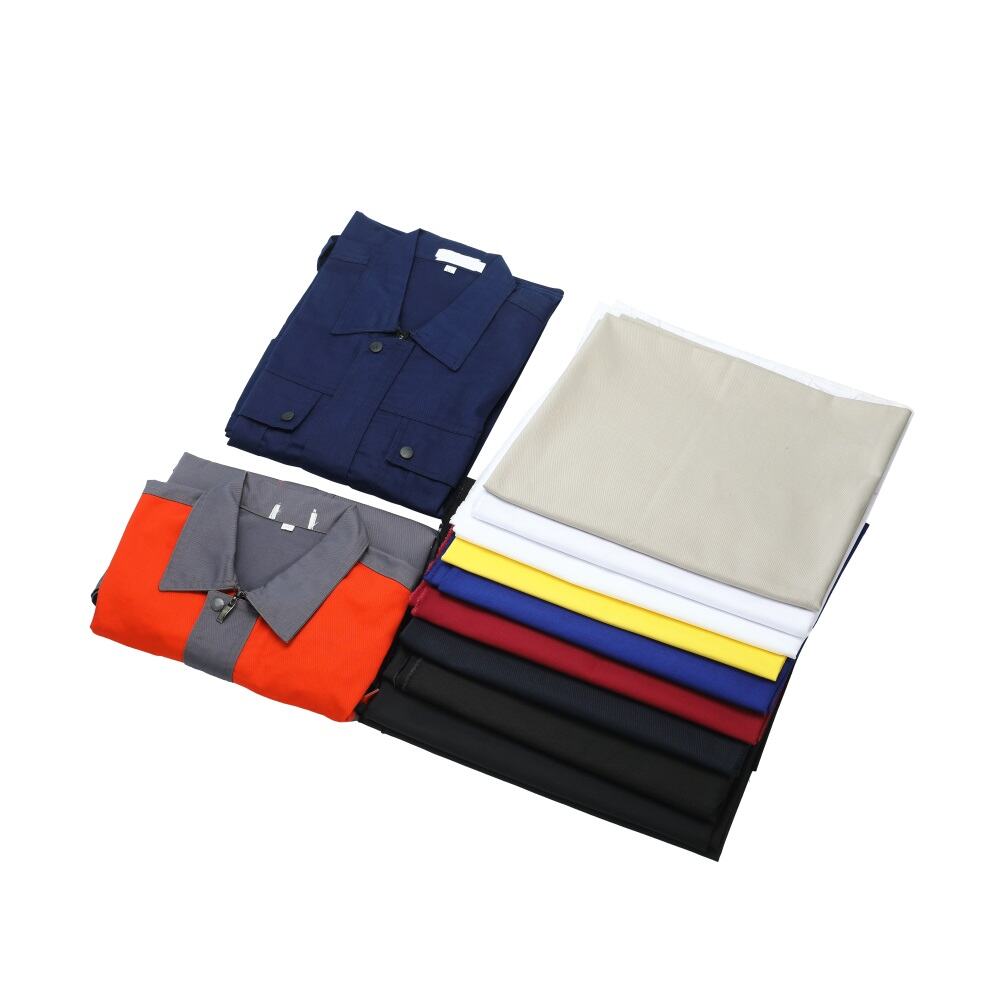
Why Twill Workwear Fabric Is Ideal for Logo Customization
Durability and fray resistance of twill for high-use workwear applications
Twill’s diagonal weave inherently resists fraying and abrasion—making it exceptionally durable for demanding environments like construction and manufacturing. Unlike plain-weave fabrics, its interlaced yarns reduce friction points at stress zones (e.g., elbows, knees), preserving embroidered logo definition through repeated use. Field studies show twill uniforms withstand 28% more industrial wash cycles than standard weaves before significant deterioration, directly extending branded apparel lifespan.
Cotton twill vs. performance twill blends: Impact on logo adhesion and wash longevity
| Fabric Type | Logo Adhesion Strength | Wash Longevity (50+ cycles) | Flexibility Rating |
|---|---|---|---|
| 100% Cotton Twill | High initial adhesion | Moderate color retention | Excellent drape |
| Poly-Cotton Blend | Superior heat resistance | Minimal shrinkage/fading | Balanced movement |
| Synthetics (e.g., Nylon) | Best for adhesive patches | Highest UV/fade resistance | Structured feel |
Performance blends with polyester or nylon offer enhanced dimensional stability—critical for heat-pressed logos. Research shows cotton-polyester twill retains 95% of vinyl adhesion strength after 75 wash cycles, outperforming pure cotton by 32%. While 100% cotton delivers superior breathability in temperate climates, synthetic twills better maintain stitch definition in high-motion areas due to inherent resistance to puckering and distortion.
Top Logo Application Methods for Twill Workwear Fabric
Tackle Twill Embroidery: Precision, Edge Finish, and Structural Integrity on Twill
Tackle twill embroidery delivers sharp, precise logos with clean, fray-resistant edges—ideal for professional branding in high-stress industries. Its dense stitching reinforces twill’s diagonal structure without sacrificing flexibility, ensuring logos remain intact through frequent laundering. Studies confirm embroidery lasts up to 5x longer than basic prints, making it the preferred choice where durability and polished appearance are essential.
Heat-Applied Patches and Adhesive-Backed Logos: Performance Trade-Offs on Structured Twill
Heat-applied patches and adhesive-backed logos offer rapid, cost-effective customization for structured twill garments. However, they can compromise flexibility in high-movement zones and begin peeling after 20–30 industrial cycles. While faster to apply, these methods generally fade sooner than embroidery. For optimal results, select crack-resistant adhesives and reinforce critical edges with discreet stitching—ideal when speed and budget outweigh extreme longevity requirements.
Optimizing Logo Longevity on Twill Workwear Fabric
Stitch density paradox: Why over-embroidering twill reduces flexibility and accelerates wear
Excessive stitch density stiffens twill’s natural diagonal weave, creating rigid stress points that accelerate thread fatigue during movement and washing. Over-embroidered logos—especially around curves—fray prematurely as strained threads loosen or break. Studies show densities above 7,000 stitches per square inch increase logo failure rates by 40%, while also compressing fibers and trapping abrasives during industrial laundering. Moderately dense embroidery preserves fabric drape and maintains brand integrity through 100+ wash cycles, striking the ideal balance between clarity and resilience.
Real-World Branding Success with Twill Workwear Fabric
Corporate adoption case study: Fortune 500 field-service teams using customized twill uniforms
A leading industrial manufacturer deployed logo-embroidered twill uniforms across 12,000 field technicians—and saw measurable ROI. Uniform utilization studies reported a 19% lift in public brand recognition, while field reports confirmed logos remained intact after 200+ industrial wash cycles. The twill weave’s diagonal rib structure was pivotal: it resisted edge fraying and maintained crisp embroidery under abrasive conditions. Apparel lifecycle analysis revealed replacement intervals extended by 8 months, cutting annual uniform costs by $740k. Customer satisfaction rose 14%, attributed to consistent, professional appearance reinforcing brand authority.
FAQ
Why is twill workwear fabric ideal for logo customization?
Twill workwear fabric is ideal for logo customization due to its durable diagonal weave that resists fraying and preserves logo definition even after multiple washes and usage, making it suitable for industries like construction and manufacturing.
How does cotton twill differ from performance twill blends?
Cotton twill offers breathability and excellent initial logo adhesion but moderate color retention, while performance twill blends provide superior heat resistance, minimal shrinkage, and better longevity and stability for logos.
What are the preferred methods for applying logos on twill fabric?
Tackle twill embroidery is preferred for its precision and longevity, while heat-applied patches and adhesive-backed logos offer cost-effective and speedy customization but may fade sooner.
What are the potential drawbacks of over-embroidering twill fabric?
Over-embroidering twill fabric can reduce flexibility, accelerate wear, cause thread fatigue, and increase logo failure rates due to excessive stitch density.