
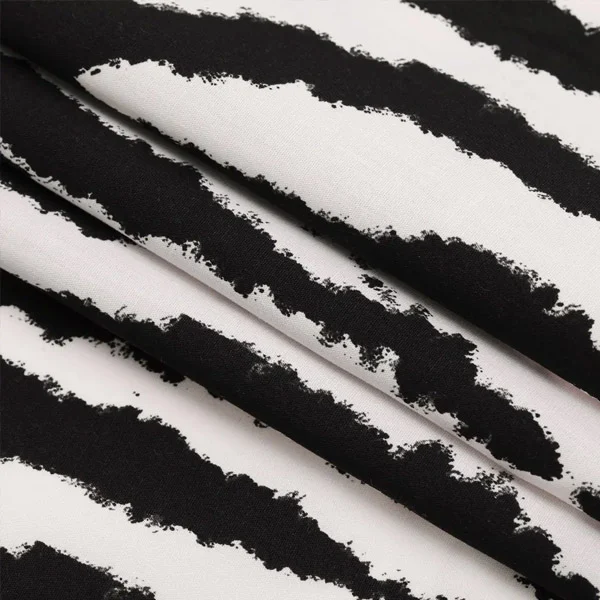
Demystifying the Comfort Paradox of Poly-Cotton Blends Talk to anyone in the global apparel industry, and you will likely hear a lively debate about the feel and comfort of hybrid textiles. For years, traditionalists insisted that true comfort belo...
VIEW MORE
The Evolving Landscape of Modern Shirting Fabrics In the fast-paced and ever-changing world of global apparel manufacturing, corporate tailoring, and high-end fashion design, selecting the right textile foundation remains paramount to commercial su...
VIEW MORE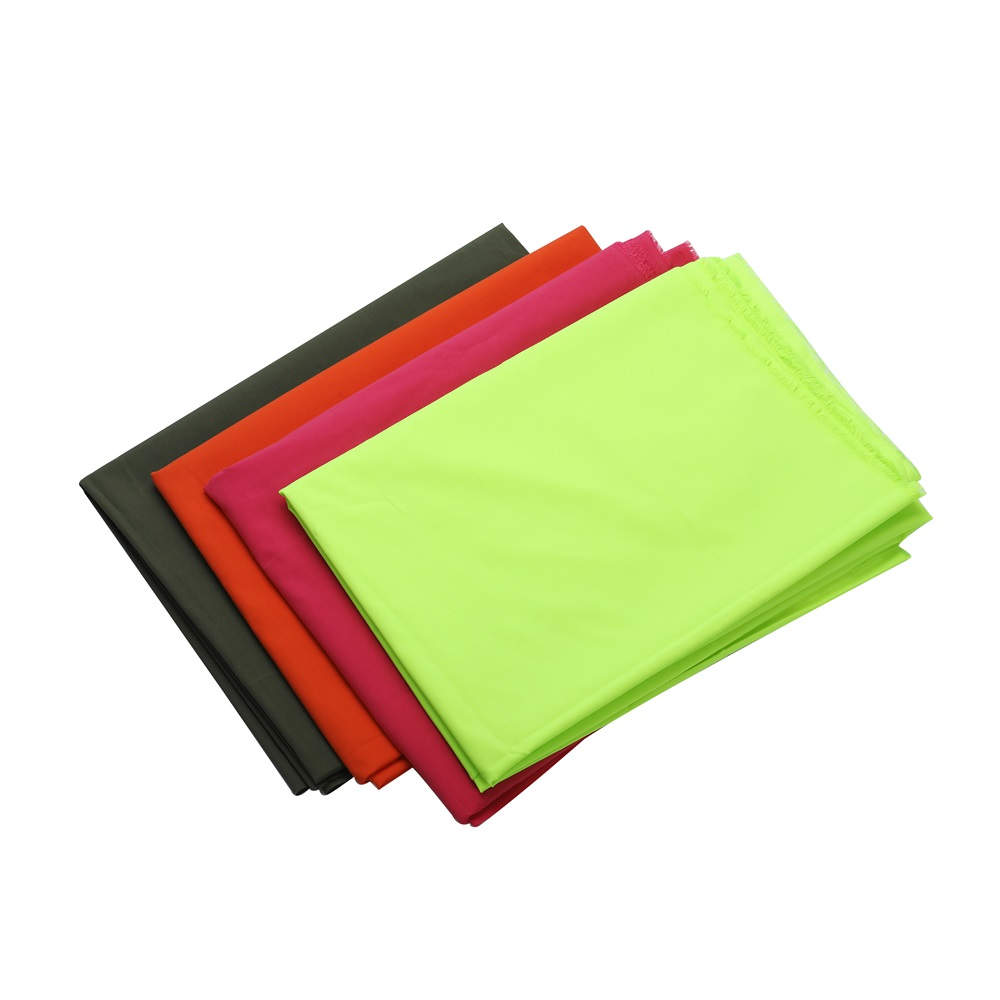
Navigating the Complexities of Polyester-Cotton Blends in Apparel Sourcing When global apparel brands, corporate uniform designers, and textile wholesalers source materials for professional workwear, finding high-quality tc shirting fabric is alway...
VIEW MORE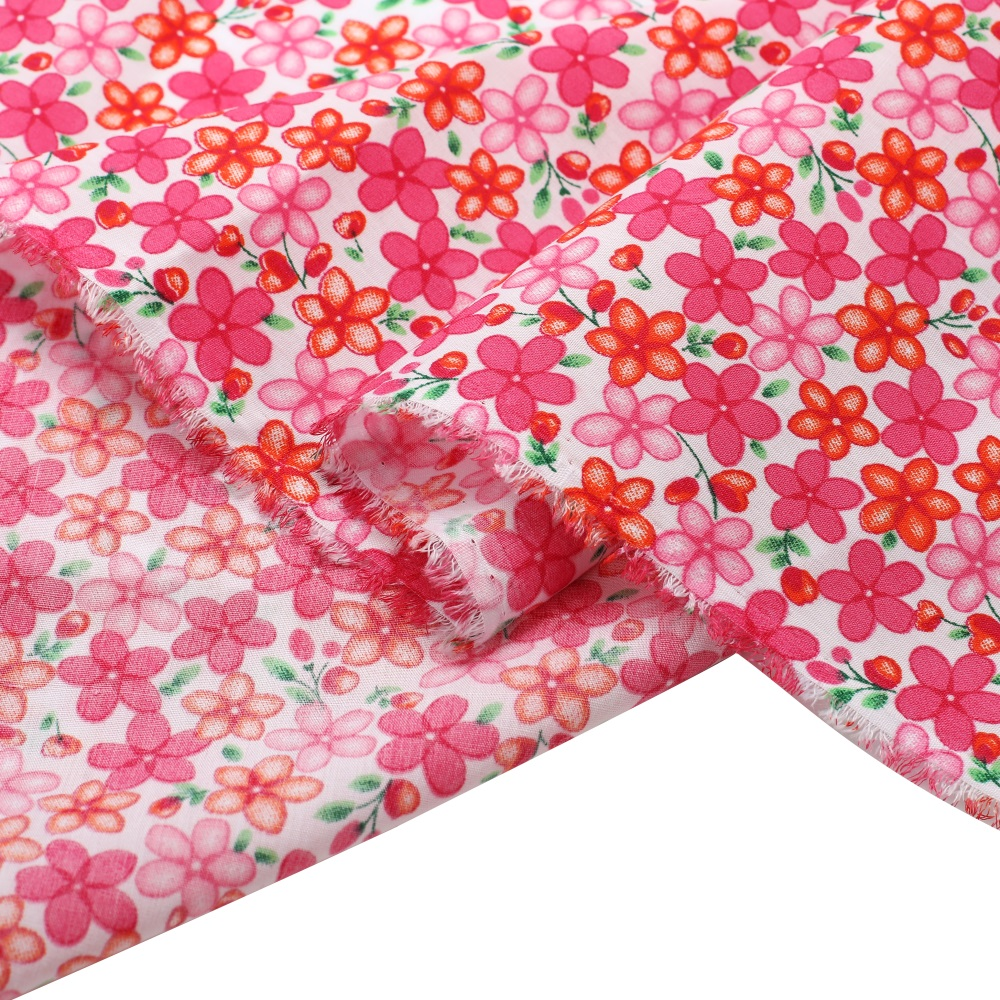
Navigating Quality Assurance Challenges with a Custom Fabric Manufacturer When global apparel brands, home textile designers, and technical gear creators source custom textiles, the biggest operational risk is inconsistent batch quality. Discoverin...
VIEW MORE
Redefining Comfort and Durability in Modern Shirt Design When designing a winning apparel line or managing high-volume corporate uniform procurement programs across global markets, selecting the ideal textile substrate is arguably the most decisive ...
VIEW MORE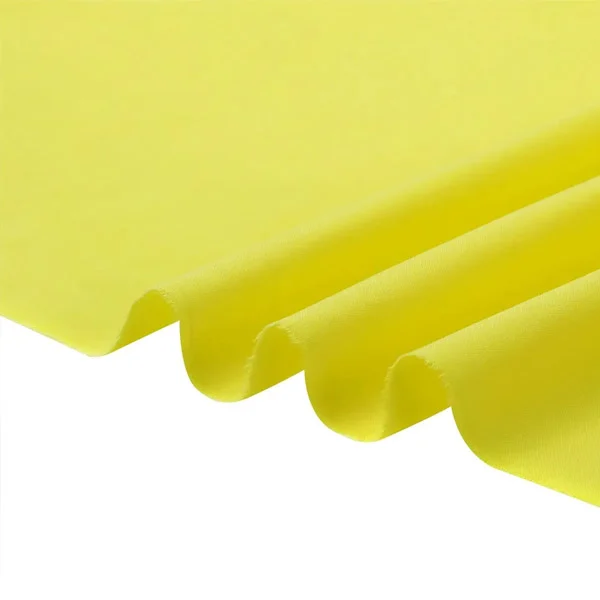
Navigating the Global Market for Poly Cotton Shirting Fabric When developing a brand new apparel line or managing large-scale uniform procurement programs, finding the right textile substrate often turns out to be the most critical decision a brand...
VIEW MORE
Introduction: Demystifying TC Shirting Fabric in Modern Apparel Engineering When diving into the fast-paced world of global apparel manufacturing, picking the right textile substrate can completely make or break a garment line's commercial success....
VIEW MORE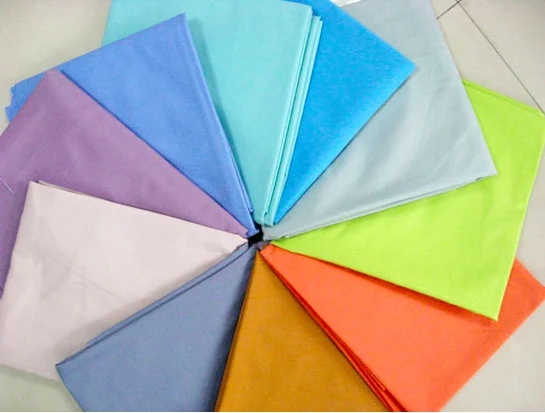
Navigating Hygiene and Performance in Uniform Textiles Working closely with international healthcare providers, hospitality groups, and industrial manufacturing facilities for over a decade often reveals how quickly a high-performance uniform progr...
VIEW MORE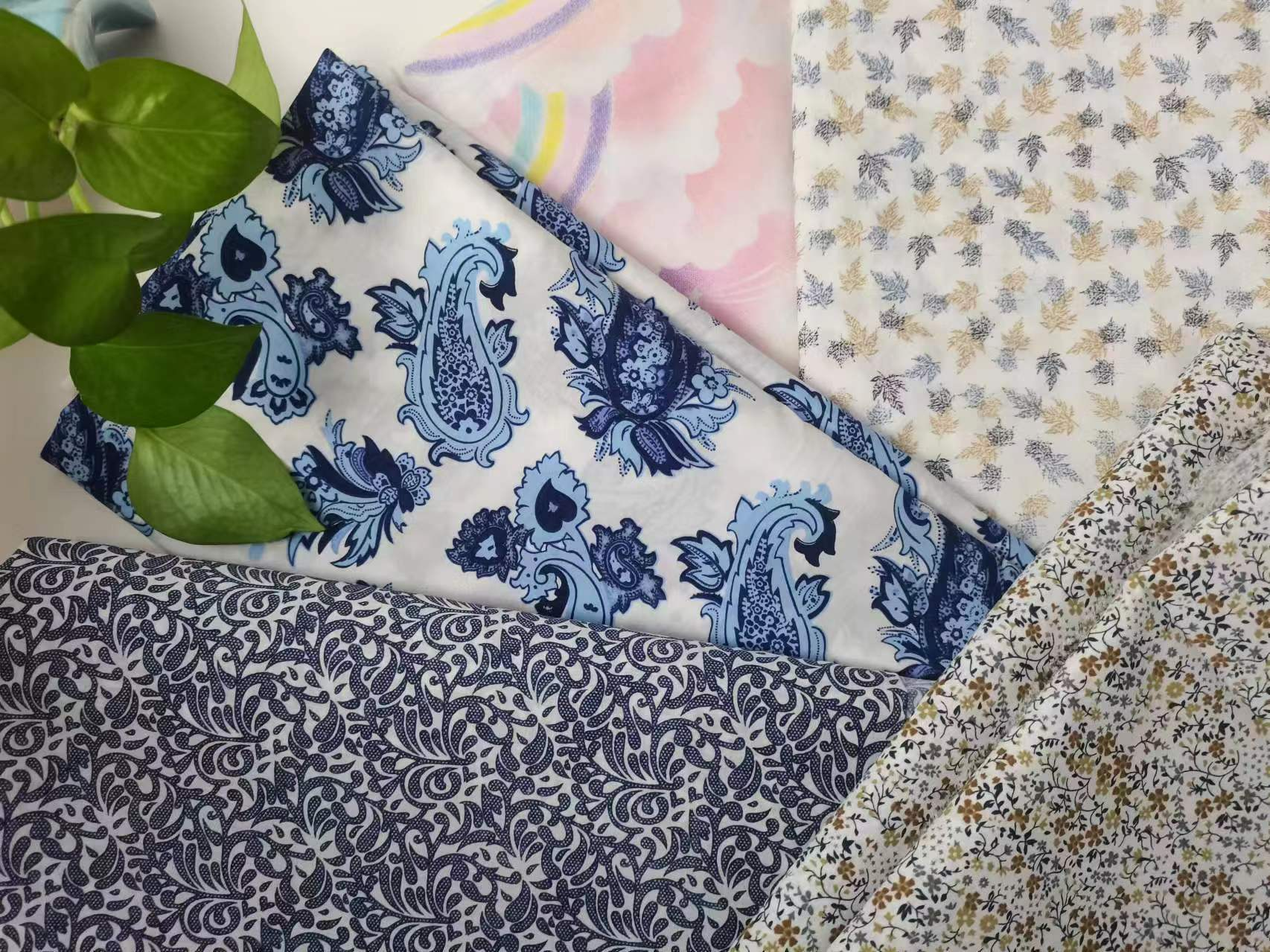
Navigating Quality Sourcing in the Global Textile Industry Working closely with international apparel brands, home textile distributors, and industrial fabric importers for over a decade often reveals how quickly a promising product line can suffer...
VIEW MORE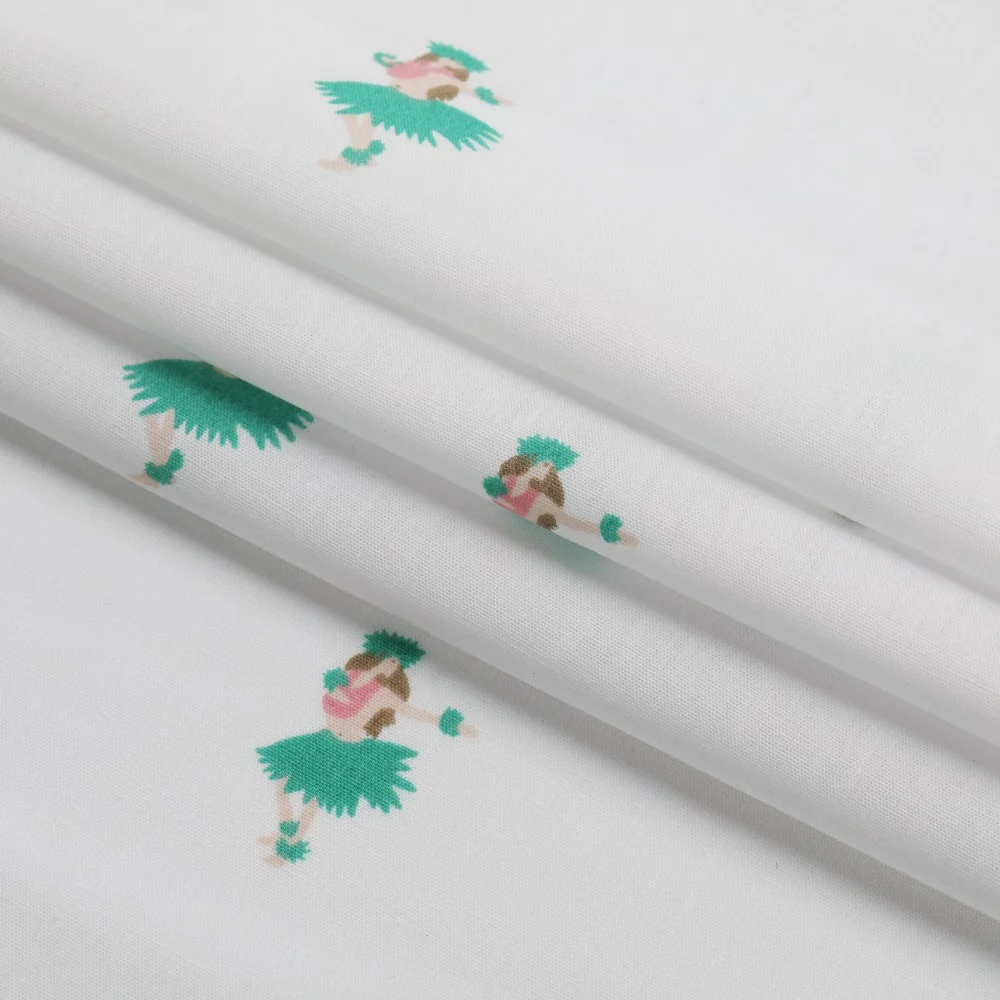
Navigating the Complexities of High-Volume Apparel Manufacturing In the modern landscape of large-scale garment manufacturing, selecting the foundational textile material determines both operational throughput and long-term commercial viability. Wh...
VIEW MORE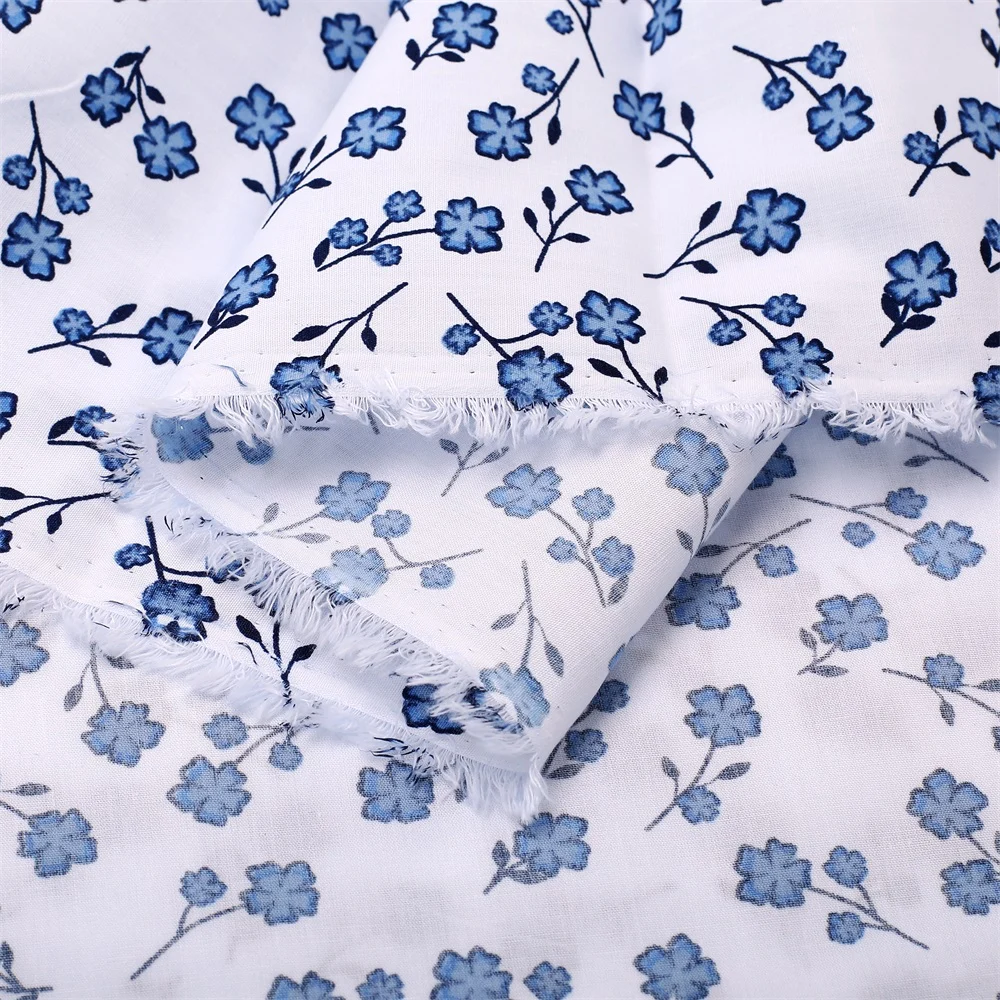
Comprehensive Introduction to Width Customization and Manufacturing Realities When global apparel brands, regional wholesalers, and traditional garment manufacturers look to source specialist textiles for traditional attire, width customization is ...
VIEW MORE
Comprehensive Introduction to Fabric Weight and Manufacturing Experience When corporate buyers and uniform procurement managers embark on sourcing professional apparel for their workforce, one of the most critical specifications they must evaluate ...
VIEW MORE
Copyright © 2013-2024 by Hebei Gaibo Textile Co., Ltd. Privacy Policy
 EN
EN